Time has always been more than a linear sequence for humanity. Across cultures and continents, ritual calendars have served as cosmic maps, guiding communities through the rhythm of seasons, ceremonies, and sacred observances that connect the earthly with the divine.

These ancient systems of timekeeping represent humanity’s profound attempt to harmonize daily life with celestial movements, agricultural cycles, and spiritual traditions. From the Mayan Tzolk’in to the Hebrew lunar calendar, these intricate frameworks have shaped how civilizations understand their place within the cosmos and organize their most meaningful celebrations.
🌍 The Ancient Architecture of Time
Ritual calendars emerged from humanity’s earliest observations of celestial patterns. Our ancestors noticed the sun’s journey across the sky, the moon’s phases, and the stars’ seasonal positions, recognizing these movements as reliable markers for planting crops, preparing for weather changes, and scheduling communal gatherings.
Unlike modern secular calendars that primarily serve administrative purposes, ritual calendars integrate multiple dimensions of human experience. They blend astronomical precision with agricultural necessity, religious observance with social coordination, creating holistic systems that acknowledge both practical and spiritual dimensions of existence.
The sophistication of these systems reveals advanced mathematical and observational capabilities. The Mayan Long Count calendar, for instance, tracked time across millennia with remarkable accuracy, while the ancient Egyptian calendar aligned civic life with the Nile’s flooding patterns, essential for agricultural survival.
The Sacred Geometry of Seasonal Wisdom
Seasonal wisdom embedded within ritual calendars reflects accumulated knowledge passed through generations. These calendars don’t simply mark time; they encode agricultural practices, medicinal plant harvesting schedules, animal migration patterns, and optimal fishing periods.
Indigenous communities worldwide have maintained ritual calendars that function as comprehensive ecological guides. The Aboriginal Australian seasonal calendars, for example, divide the year into six or more seasons based on specific environmental indicators like flowering plants, animal behaviors, and weather patterns—far more nuanced than the Western four-season model.
Agricultural Synchronization and Survival
The relationship between ritual calendars and agricultural cycles represents one of humanity’s most critical knowledge systems. Traditional farming communities developed calendars that indicated precise planting and harvesting windows, ensuring food security through careful temporal coordination with natural cycles.
The Chinese agricultural calendar, still widely consulted, designates 24 solar terms that provide detailed guidance for farming activities. Each term, lasting approximately 15 days, corresponds to specific weather conditions and agricultural tasks, from “Awakening of Insects” signaling spring plowing to “White Dew” indicating harvest preparation.
This temporal wisdom proved so effective that many traditional calendar systems sustained civilizations for thousands of years. The success of these societies depended on their ability to read and respond to the calendar’s guidance, treating it as sacred technology essential for survival.
⏰ Ceremonial Cycles: Marking Sacred Time
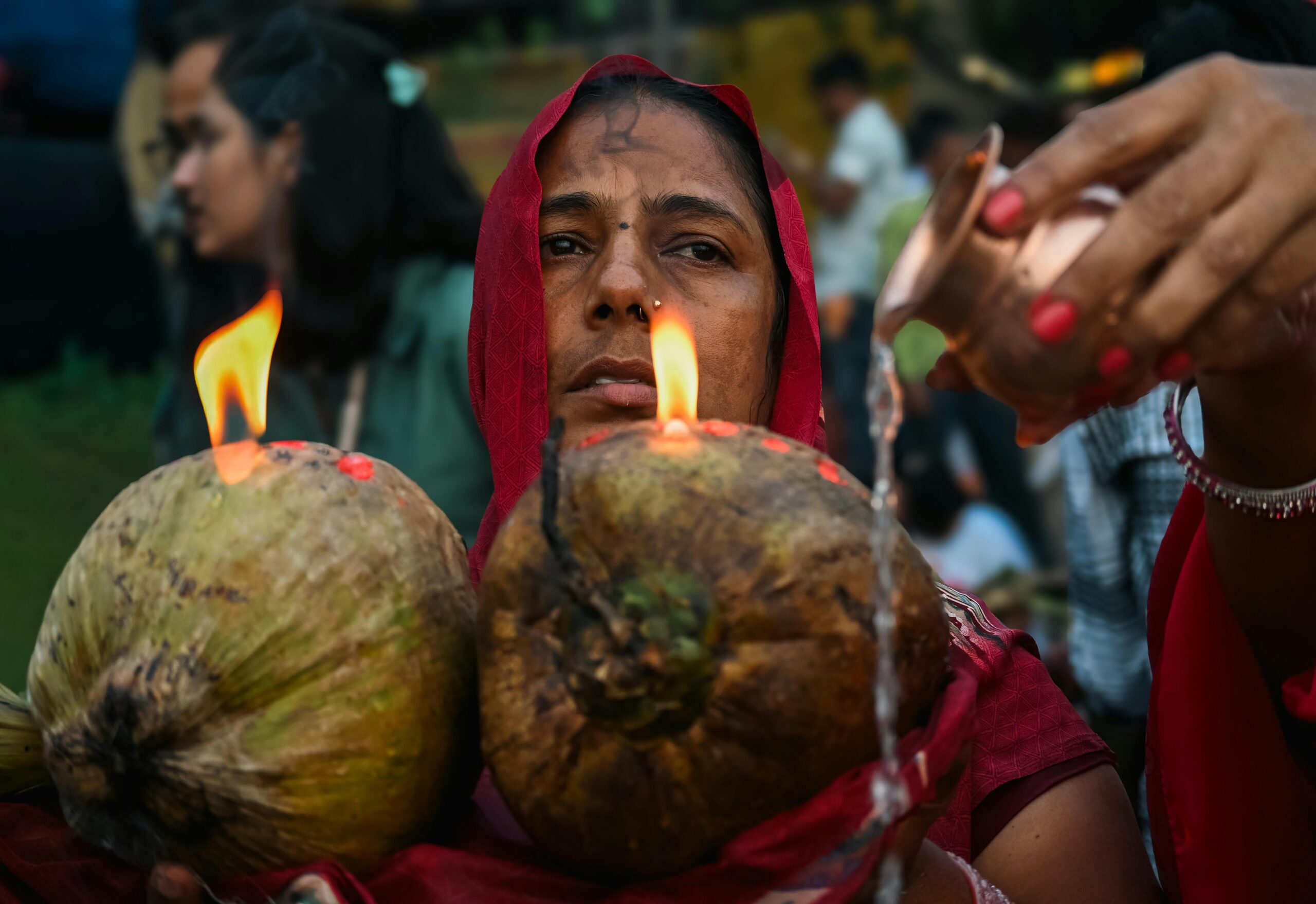
Beyond practical functions, ritual calendars establish ceremonial cycles that give communities shared temporal landmarks. These recurring celebrations create cultural cohesion, transmit values across generations, and provide psychological anchors throughout the year.
Ceremonial cycles typically align with agricultural milestones, astronomical events, or historical commemorations. The Jewish calendar structures its festivals around agricultural seasons and historical events, with Passover coinciding with spring barley harvest and Sukkot celebrating autumn gathering.
The Psychology of Cyclical Time
Living according to ritual calendars shapes human consciousness differently than linear time perception. Cyclical time emphasizes renewal, return, and regeneration rather than unidirectional progress. This perspective fosters sustainable thinking, as communities understand they’ll return to the same seasonal challenges year after year.
Modern research in chronobiology and seasonal affective patterns validates what ritual calendars have long acknowledged: human biology and psychology respond to seasonal changes. Traditional calendars incorporated this understanding through festivals that addressed seasonal emotional needs, like winter solstice celebrations bringing light and community during dark months.
The Living Calendars of Indigenous Wisdom
Indigenous ritual calendars represent some of the most sophisticated seasonal wisdom systems still in active use. These calendars integrate environmental observation, spiritual practice, and practical knowledge in ways that modern timekeeping systems cannot replicate.
The Andean calendar system, maintained by Quechua and Aymara communities, divides time according to ecological zones ranging from high-altitude regions to valley environments. Different elevations follow different planting schedules, and the calendar accommodates this environmental diversity with remarkable precision.
Oral Tradition and Calendar Transmission
Many indigenous calendars exist primarily through oral tradition rather than written records. Elder knowledge-keepers maintain these systems, teaching younger generations through storytelling, ceremony participation, and direct experience in natural environments.
This transmission method ensures calendars remain dynamic, adapting to environmental changes while preserving core wisdom. Unlike fixed written calendars, oral traditions allow for responsive adjustments based on observable ecological shifts, making them potentially more resilient to climate variability.
🌙 Lunar Versus Solar: Different Rhythms, Different Wisdom
The fundamental division between lunar and solar calendars reflects different approaches to organizing time and different emphases in seasonal wisdom. Solar calendars prioritize agricultural cycles and seasonal consistency, while lunar calendars emphasize religious observance and natural rhythms visible to the naked eye.
Lunar calendars, based on the moon’s approximately 29.5-day cycle, create months that shift relative to solar seasons. The Islamic calendar follows a pure lunar system, causing its festivals to rotate through all seasons over a 33-year cycle. This creates diverse experiential relationships with religious observances.
Solar calendars maintain consistent seasonal alignment, making them preferable for agricultural societies. The ancient Egyptian calendar and the modern Gregorian calendar both prioritize solar tracking, ensuring dates correspond reliably to seasonal conditions year after year.
Lunisolar Calendars: Harmonizing Both Rhythms
Many traditional calendars developed sophisticated lunisolar systems that track both moon phases and solar seasons. The Hebrew, Chinese, and Hindu calendars all employ intercalation methods—adding extra months periodically—to keep lunar months aligned with solar seasons.
These hybrid systems require complex calculations but offer advantages of both approaches: visible lunar cycles for religious timing and seasonal stability for agricultural planning. The mathematical sophistication required for maintaining lunisolar calendars demonstrates advanced astronomical knowledge in ancient civilizations.
Festivals as Temporal Anchors
Festivals structured by ritual calendars serve multiple interconnected functions. They mark seasonal transitions, commemorate historical or mythological events, provide economic stimulus through market activities, and create opportunities for social bonding across community divisions.
The timing of festivals within ritual calendars is rarely arbitrary. Spring festivals worldwide celebrate renewal and fertility during planting season. Autumn festivals give thanks for harvests and prepare communities psychologically for winter’s challenges. Summer and winter solstice celebrations acknowledge astronomical extremes and transitional moments.
Economic Dimensions of Calendar Festivals
Traditional festival calendars created economic rhythms that structured trade, craft production, and labor patterns. Artisans prepared goods months in advance for specific festivals. Merchants timed travel to coincide with major celebrations. Agricultural labor intensified before festivals celebrating harvest completion.
This economic coordination through shared temporal frameworks facilitated complex trade networks without requiring centralized bureaucratic control. The calendar itself provided the organizational structure, with festivals serving as natural deadlines and marketplace opportunities.
🔄 Adapting Ancient Wisdom to Modern Life
Contemporary interest in ritual calendars and seasonal wisdom reflects growing recognition that modern secular timekeeping disconnects us from natural rhythms. Urban populations especially experience temporal alienation, losing touch with seasonal changes and cyclical patterns that shaped human consciousness for millennia.
Some communities are actively reviving traditional calendar systems alongside modern schedules. Eco-villages, permaculture practitioners, and cultural preservation movements incorporate ritual calendars to guide planting decisions, ceremony timing, and community gathering schedules.
Digital Tools for Ancient Systems
Technology now enables wider access to traditional calendars. Applications provide daily guidance based on Chinese almanac calculations, Jewish calendar conversions, or indigenous seasonal indicators. These tools make ancient wisdom more accessible while potentially oversimplifying complex cultural contexts.
The challenge lies in maintaining the depth and cultural integrity of calendar systems while adapting them for modern contexts. Ritual calendars functioned within comprehensive worldviews and daily practices that cannot be fully captured through smartphone notifications.
Climate Change and Calendar Disruption
Contemporary climate change poses unprecedented challenges to calendar systems based on stable seasonal patterns. Indigenous communities report that traditional environmental indicators—flowering times, animal migrations, weather patterns—no longer align reliably with calendar predictions.
This disruption affects not only practical activities like farming but also cultural identity and spiritual practice. When ancestral calendars no longer match observable reality, communities face difficult questions about adaptation versus tradition preservation.
Calendar Resilience and Adaptive Wisdom
Paradoxically, the flexibility inherent in some traditional calendars may offer advantages for climate adaptation. Systems maintained through observation and oral transmission can adjust more readily than fixed written calendars. Communities practicing adaptive calendar management demonstrate potential pathways for maintaining traditional wisdom amid environmental change.
Documentation projects now work to preserve traditional ecological knowledge encoded in ritual calendars before climate disruption renders them obsolete. These efforts recognize that calendars contain irreplaceable wisdom about ecosystem relationships developed over countless generations.
⚡ The Neurological Impact of Ritual Time
Emerging neuroscience research suggests that engaging with ritual calendars and seasonal observances affects brain function and psychological wellbeing. Regular ceremonial participation creates temporal structure that reduces anxiety, strengthens social bonds, and provides meaning through connection with larger cycles.
The predictability of recurring festivals within ritual calendars appears to fulfill deep psychological needs. Anticipating known celebrations provides future orientation and hope. Remembering past observances creates continuity and identity. The cycle itself offers reassurance of renewal after difficult periods.
Communities with strong ritual calendar traditions often demonstrate greater social cohesion and individual psychological resilience. The shared temporal framework creates collective identity and mutual support systems activated through ceremonial cycles.
Creating Personal Seasonal Practices
Individuals need not belong to traditional communities to benefit from ritual calendar principles. Creating personal seasonal observances based on local ecological patterns can restore connection with natural cycles and provide temporal structure beyond work schedules and secular holidays.
This might involve noting equinoxes and solstices, tracking local plant phenology, observing bird migrations, or marking personal anniversaries aligned with seasonal changes. The key is establishing repeated observances that create meaningful temporal rhythms beyond arbitrary calendar dates.
Keeping seasonal journals, photographing the same location throughout the year, or maintaining gardens all create embodied engagement with cyclical time. These practices reconnect modern individuals with the seasonal wisdom that ritual calendars have always encoded.
🌟 The Future of Sacred Time
As global society recognizes limitations of purely economic and administrative time organization, ritual calendars offer alternative models for temporal relationship. The wisdom embedded in these systems—ecological attunement, community coordination, spiritual depth—addresses deficiencies in modern secular timekeeping.
The challenge ahead involves respectfully learning from traditional calendar systems while acknowledging that their full meaning emerges from complete cultural contexts. Appropriation risks extracting superficial elements while missing deeper wisdom. Genuine engagement requires understanding calendars as integrated with worldviews, languages, and landscapes.
Perhaps the ultimate value of studying ritual calendars lies not in adopting specific systems wholesale but in recognizing what they represent: humanity’s capacity to live in conscious relationship with cosmic rhythms, seasonal patterns, and cyclical renewal. This fundamental orientation—treating time as sacred, seasons as teachers, and ceremonies as essential—offers wisdom desperately needed in our ecologically precarious era.
The rhythm of time encoded in ritual calendars reminds us that we are not separate from nature’s cycles but integral participants. By honoring seasonal transitions, marking celestial movements, and gathering in ceremonial celebration, we remember our place within the larger patterns that sustain all life on Earth.