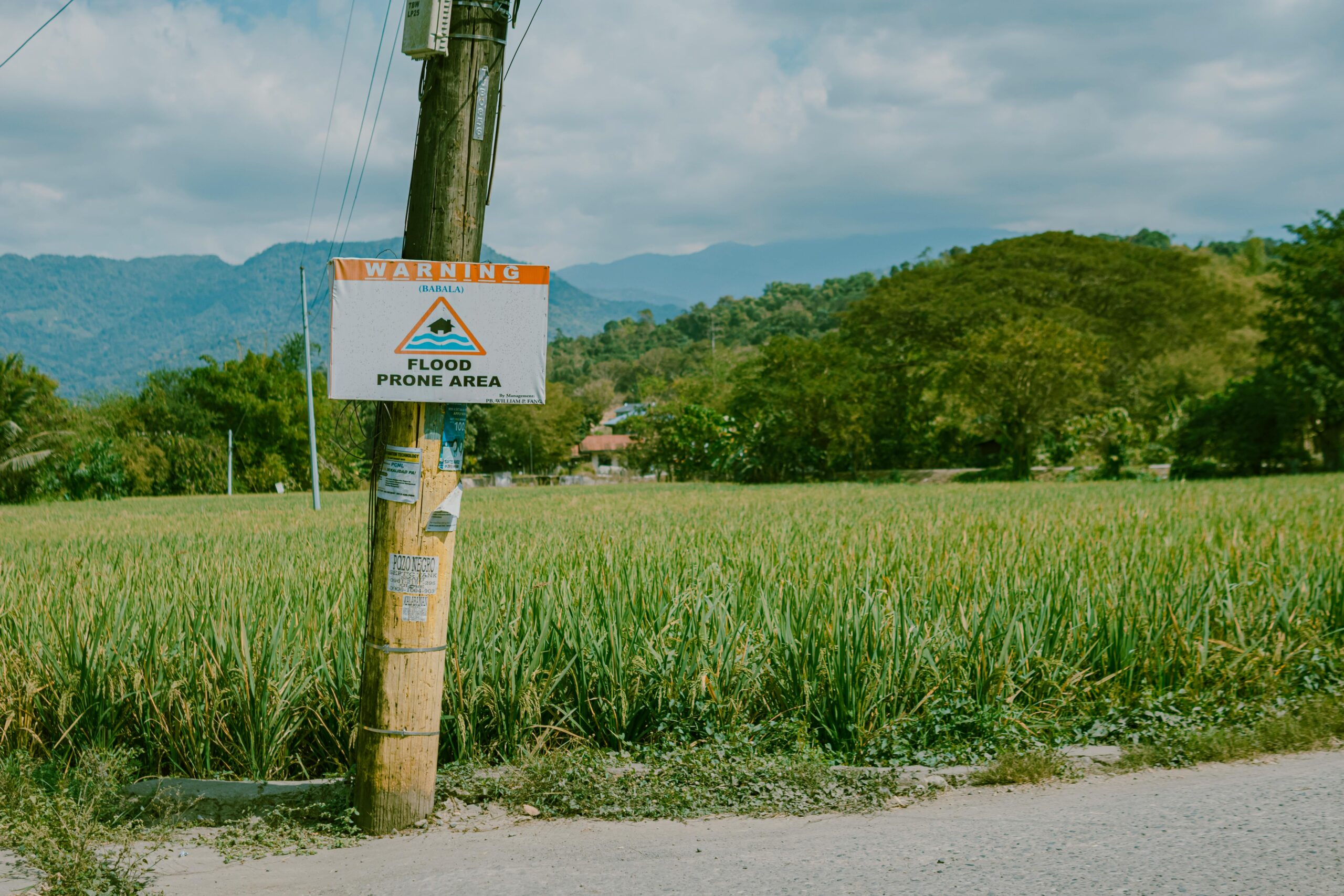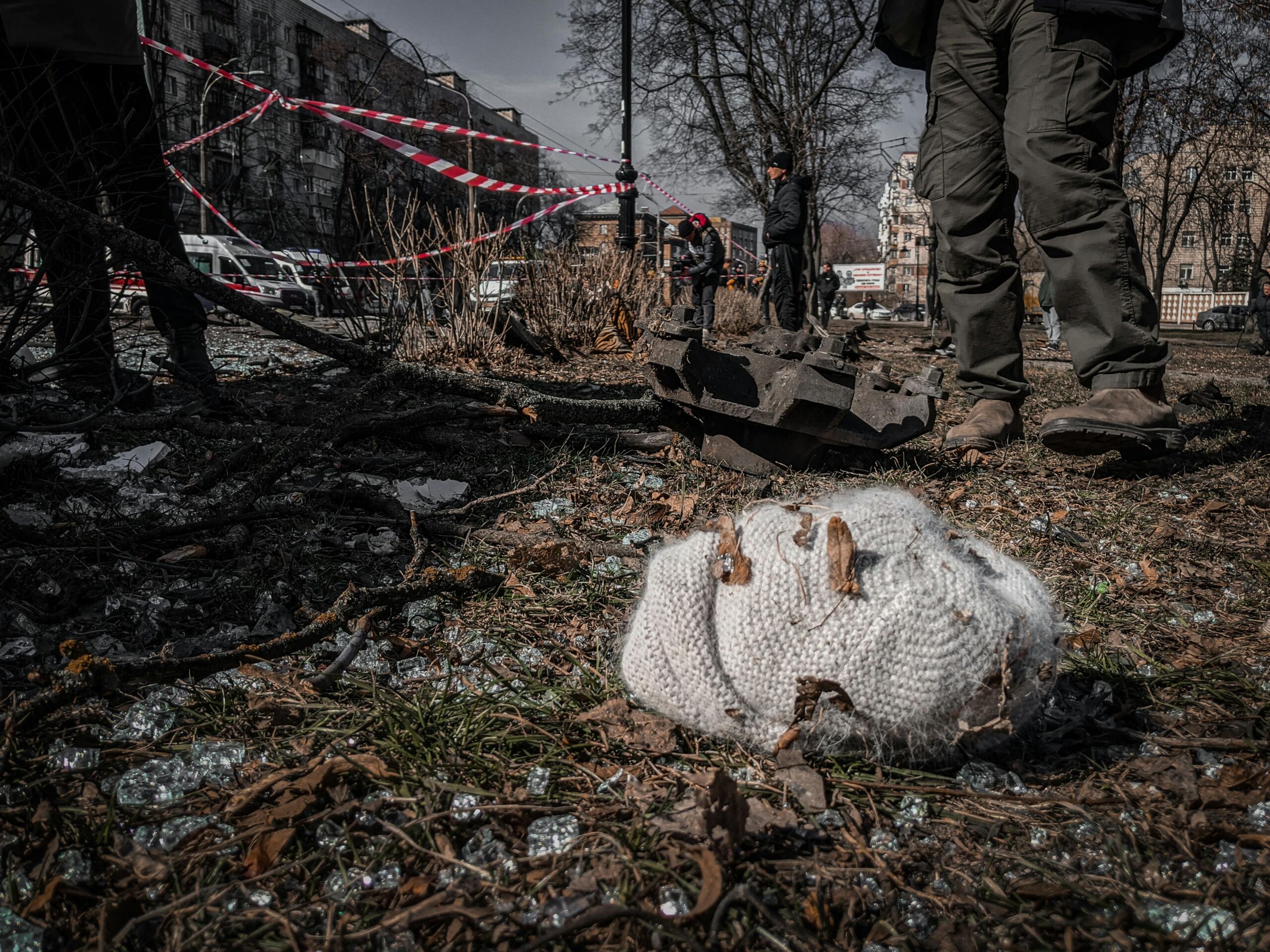
In moments of uncertainty and upheaval, humanity reveals its most profound capacity: the ability to unite and coordinate action across communities, nations, and even continents. Crisis situations strip away the mundane and expose the fundamental mechanisms that bind societies together.

Throughout history, from ancient plagues to modern pandemics, from natural disasters to economic collapses, human societies have demonstrated remarkable resilience through coordinated responses. This coordination doesn’t emerge spontaneously but rather through specific social mechanisms that facilitate collective action, create shared understanding, and mobilize resources effectively.
🔗 The Foundation of Social Coordination During Adversity
Social coordination represents the intricate dance of human cooperation, where individuals align their actions, resources, and intentions toward common goals. During crisis periods, this coordination becomes not just beneficial but essential for survival and recovery. The mechanisms that enable such coordination operate at multiple levels simultaneously, from intimate family units to global institutions.
When disaster strikes, the normal functioning of society faces disruption. Supply chains break, communication channels fail, and established routines crumble. Yet paradoxically, these same conditions often catalyze unprecedented levels of cooperation and social innovation. Communities that might have been fractured by differences find themselves unified by shared vulnerability and common purpose.
The Psychological Architecture of Collective Response
Human psychology contains inherent mechanisms that facilitate group coordination under stress. The threat-detection systems in our brains, evolved over millennia, trigger not only individual survival responses but also social bonding behaviors. Research in social neuroscience demonstrates that crisis situations activate neural pathways associated with empathy, altruism, and group identification.
This psychological infrastructure enables rapid shifts from individualistic to collectivistic mindsets. People who ordinarily prioritize personal goals suddenly find themselves motivated by group welfare. This transformation isn’t merely emotional but involves cognitive restructuring, where individuals begin to perceive themselves as parts of a larger whole rather than isolated actors.
⚡ Rituals as Coordination Technologies
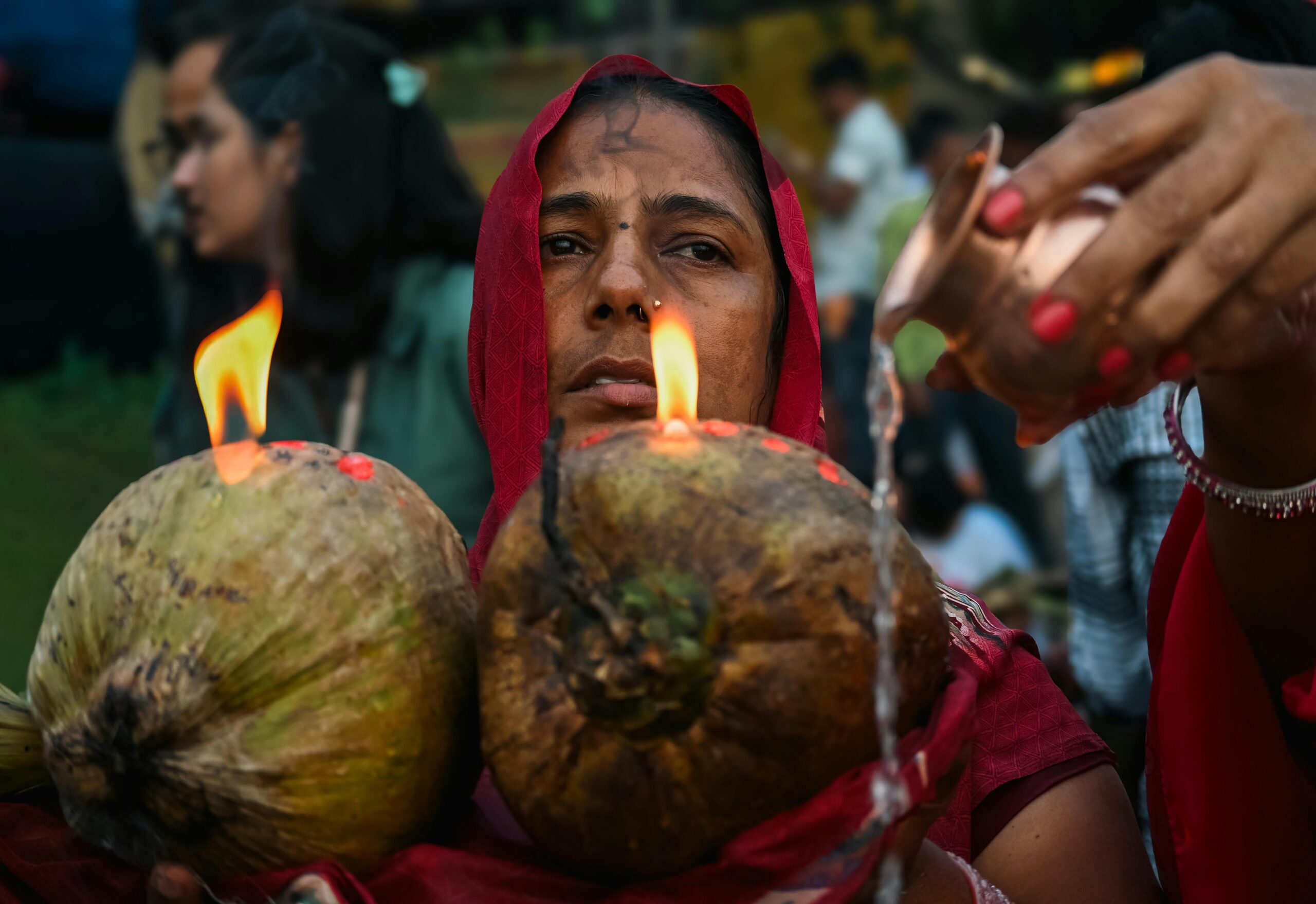
Rituals function as perhaps the oldest and most powerful technologies for social coordination. These structured, repetitive behaviors serve multiple functions that become especially critical during crises. They create predictability in unpredictable times, generate shared emotional experiences, and reinforce group boundaries and identities.
During the COVID-19 pandemic, spontaneous rituals emerged worldwide. Italians sang from balconies, communities organized synchronized applause for healthcare workers, and virtual gatherings replaced physical ones. These weren’t mere symbolic gestures but functional mechanisms that maintained social cohesion when physical distancing threatened to fragment communities.
The Mechanics of Ritual Effectiveness
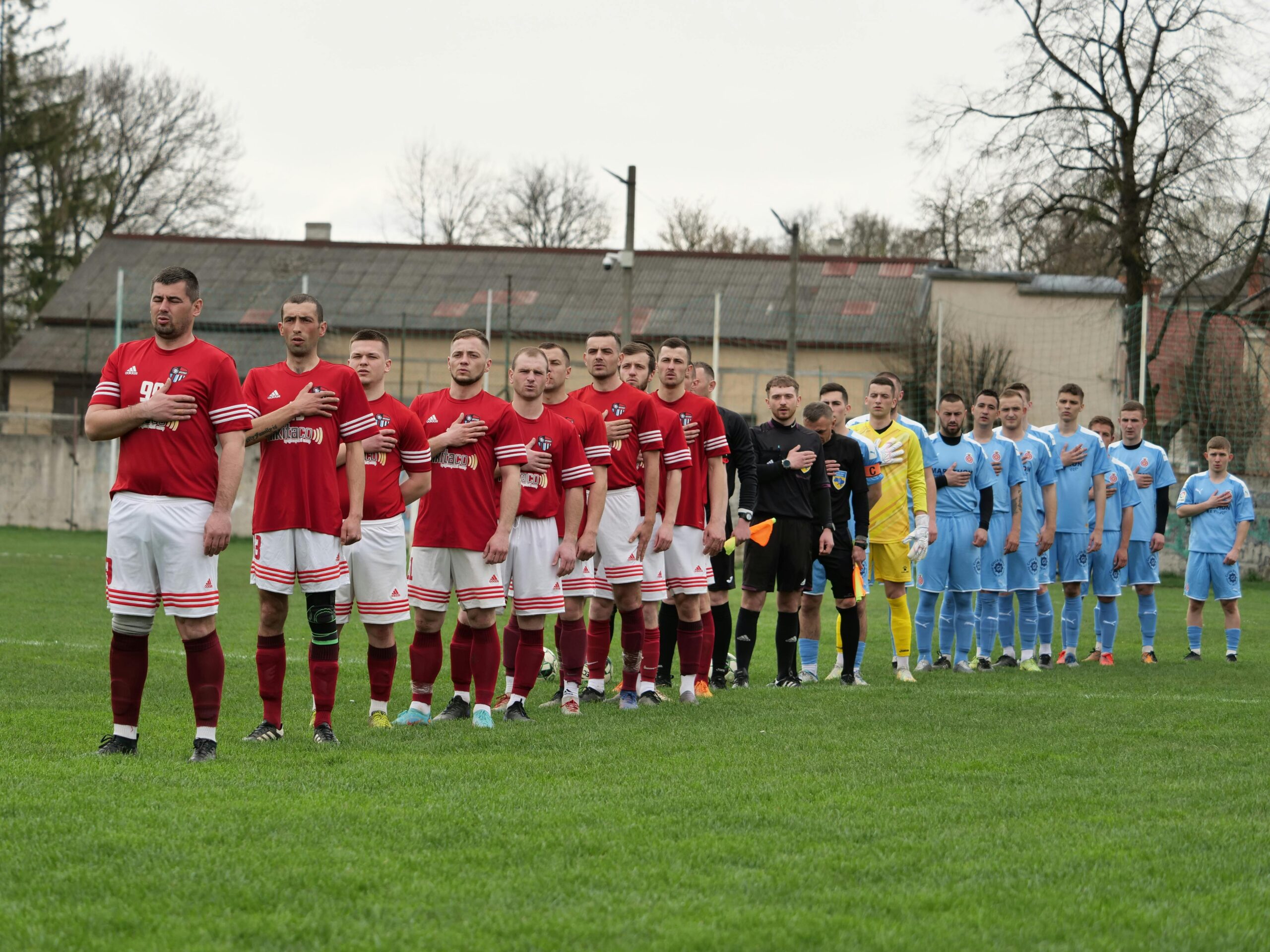
Rituals achieve their coordinating power through several specific mechanisms. First, they synchronize behavior and attention across group members, creating what researchers call “collective effervescence”—a shared emotional state that strengthens group bonds. When people move together, sing together, or participate in coordinated actions, their sense of unity intensifies.
Second, rituals serve as costly signals of commitment. By investing time and energy in collective ceremonies, individuals demonstrate their dedication to the group. This visible commitment reassures others and builds trust, which becomes crucial currency during times when institutional systems may be strained or failing.
Third, rituals transmit cultural knowledge and values across generations and circumstances. Through repeated performance, they encode lessons learned from previous crises, creating institutional memory that helps communities respond more effectively to future challenges.
👥 Leadership Paradigms in Crisis Contexts
Leadership during crises requires distinct qualities and approaches compared to routine administration. Effective crisis leaders must navigate uncertainty, make consequential decisions with incomplete information, and maintain public confidence while acknowledging serious threats. The leadership models that emerge during such times often reshape long-term organizational and social structures.
Historical analysis reveals that successful crisis leadership combines several essential elements: clear communication, decisive action, empathetic connection, and adaptive strategy. Leaders who excel during emergencies understand that their primary role extends beyond technical management to include symbolic and emotional functions.
Communication as Coordination Infrastructure
During crises, the communication function of leadership becomes paramount. Leaders must establish information flows that are both rapid and reliable, combating misinformation while providing guidance. The most effective crisis communicators maintain transparency about uncertainties while projecting confidence in collective capacity to respond.
Modern communication technologies amplify both the opportunities and challenges of crisis leadership. Social media enables direct, immediate contact with populations but also facilitates the rapid spread of panic and false information. Leaders must navigate these platforms strategically, understanding their dual nature as both coordination tools and potential sources of disorder.
Distributed vs. Centralized Leadership Models
Crisis situations often reveal tensions between centralized command structures and distributed decision-making systems. Centralized leadership provides clarity, speed, and unified messaging. Distributed approaches leverage local knowledge, enable flexibility, and prevent single points of failure.
The most resilient crisis response systems typically combine both approaches. Central authorities establish broad parameters, coordinate resources, and maintain strategic oversight, while local leaders adapt general guidelines to specific circumstances and mobilize community-level resources. This hybrid model allows for both coherence and adaptability.
🌍 Collective Response Mechanisms Across Scales
Social coordination during crises operates simultaneously at multiple scales, from households to international organizations. Understanding how these different levels interact and reinforce each other provides crucial insights into building resilient societies.
Household and Community Networks
The most immediate level of crisis response occurs within households and neighborhood networks. These micro-level units provide essential support through resource sharing, emotional care, and practical assistance. During disasters, neighbors often serve as first responders before official emergency services arrive.
Strong community networks develop through accumulated social capital—the trust, reciprocity norms, and relationship networks that exist before crisis strikes. Communities with robust social capital respond more effectively because coordination mechanisms are already established and tested through routine interactions.
Institutional and Organizational Responses
Formal institutions—governments, hospitals, schools, businesses—provide the structural framework for large-scale coordination. These organizations possess resources, expertise, and authority that individual communities cannot mobilize independently. However, their effectiveness depends heavily on legitimacy, competence, and adaptability.
Crisis situations test institutional capacity in unique ways. Organizations must often operate beyond their designed parameters, repurpose resources, and collaborate with entities they normally compete with or ignore. The institutions that respond most effectively are those with flexible cultures, diverse capabilities, and strong public trust.
Global Coordination Challenges
Contemporary crises increasingly require international cooperation. Pandemics, climate change, economic instability, and refugee movements transcend national boundaries, demanding coordinated responses at global scales. Yet international coordination faces substantial obstacles including sovereignty concerns, unequal resource distribution, and divergent political systems.
International organizations like the WHO, UN, and various NGOs attempt to facilitate global coordination, but their effectiveness varies considerably depending on political will, funding, and operational capacity. The challenge lies in creating coordination mechanisms that respect national autonomy while enabling collective action on shared threats.
📊 Cultural Variations in Crisis Coordination
Different cultural contexts shape distinctive approaches to crisis coordination. Individualistic societies typically emphasize personal responsibility and voluntary cooperation, while collectivistic cultures may rely more heavily on social obligation and group conformity. Neither approach is inherently superior; each carries specific advantages and vulnerabilities.
Research comparing crisis responses across cultures reveals that effectiveness depends less on cultural type than on alignment between coordination mechanisms and cultural values. Attempts to impose coordination strategies that conflict with deep cultural norms typically encounter resistance and fail to achieve their objectives.
Traditional Knowledge and Modern Challenges
Indigenous and traditional communities often possess sophisticated crisis response systems developed over generations. These systems encode environmental knowledge, resource management strategies, and social coordination practices specifically adapted to local conditions. Modern crisis management increasingly recognizes the value of integrating traditional knowledge with contemporary technical approaches.
Climate adaptation efforts, disaster preparedness programs, and public health initiatives benefit substantially from incorporating traditional practices. This integration requires genuine partnership rather than superficial consultation, recognizing traditional knowledge systems as sophisticated and valid rather than merely quaint or historical.
🔄 Learning and Adaptation Through Crisis Experience
Crises function as intense learning experiences for individuals, organizations, and societies. The disruptions they create force examination of assumptions, experimentation with alternatives, and often fundamental restructuring of systems. This learning potential represents one of the paradoxical benefits of crisis situations.
However, learning from crisis is neither automatic nor guaranteed. Without deliberate effort to capture lessons, document innovations, and institutionalize improvements, societies often revert to pre-crisis patterns once immediate threats subside. Effective crisis learning requires systematic reflection, honest assessment of failures as well as successes, and commitment to implementing changes.
Building Resilience for Future Challenges
The ultimate goal of crisis coordination extends beyond managing immediate threats to building long-term resilience. Resilient systems can absorb shocks, adapt to changing conditions, and transform themselves when necessary. Creating resilience requires investment in diverse capabilities, redundant systems, and strong social networks.
Resilience building involves several key components: maintaining diversity in approaches and resources, fostering strong connections within and between communities, developing adaptive capacity to respond to novel challenges, and creating feedback mechanisms that enable learning and adjustment. These components interact synergistically, each reinforcing the others.
💡 Innovation Emerging From Collective Necessity
Crisis conditions often catalyze remarkable innovation as communities seek solutions to urgent problems. Resource scarcity forces creativity, disrupted routines enable experimentation, and shared purpose mobilizes collective intelligence. Many significant social and technical innovations have emerged from crisis responses.
The COVID-19 pandemic demonstrated this innovation potential dramatically. Remote work technologies matured rapidly, telemedicine expanded exponentially, and new forms of community mutual aid emerged. While some innovations proved temporary, others are reshaping long-term social and economic structures.
Sustaining Innovation Beyond Crisis
The challenge lies in sustaining beneficial innovations once crisis urgency subsides. Crisis conditions create windows of opportunity where normally resistant systems become flexible, but these windows typically close as situations normalize. Deliberate effort is required to institutionalize valuable changes before reverting to established patterns.
Successful innovation sustainment involves several strategies: documenting new practices clearly, demonstrating their ongoing value, adapting innovations to routine conditions, and creating constituency groups that benefit from maintaining changes. Without these supporting mechanisms, even highly effective crisis innovations often disappear.
🎯 The Interplay Between Structure and Spontaneity
Effective crisis coordination balances planned structures with spontaneous emergence. Over-reliance on rigid plans prevents adaptation to unexpected conditions, while purely spontaneous responses lack the coherence needed for large-scale coordination. The most successful crisis responses combine prepared infrastructure with flexibility for improvisation.
This balance appears in various forms across different crisis contexts. Emergency management systems establish general frameworks—command structures, communication protocols, resource allocation procedures—while leaving room for local adaptation and creative problem-solving. The framework provides coherence; the flexibility enables effectiveness in diverse, changing conditions.
🌟 Toward More Coordinated Futures
Understanding how rituals, leadership, and collective responses shape social coordination during crises offers more than historical insight—it provides practical guidance for navigating an increasingly volatile world. Climate change, technological disruption, demographic shifts, and evolving pathogens ensure that crisis response will remain central to human experience.
The societies that thrive amid these challenges will be those that invest in coordination capacities before crises strike. This investment takes multiple forms: building strong community networks, developing adaptive institutions, cultivating capable leaders, maintaining diverse resources, and creating meaningful rituals that reinforce social cohesion.
Ultimately, the capacity for coordinated action during crises reflects fundamental human strengths—our ability to cooperate, adapt, learn, and find meaning even in difficult circumstances. By understanding and nurturing these capacities, we can face uncertain futures not with fear but with confidence in our collective ability to respond, recover, and ultimately flourish together.