Throughout human history, rituals, offerings, and festivals have served as bridges between the mundane and the sacred, weaving communities together through shared spiritual practices.

These ancient traditions continue to resonate today, offering modern seekers pathways to protection, connection, and deeper understanding of our collective human heritage. By exploring these time-honored practices, we uncover universal patterns that transcend cultural boundaries and speak to fundamental human needs for safety, belonging, and meaning.
🌟 The Timeless Purpose of Sacred Rituals
Sacred rituals have existed in every known civilization, serving as structured actions imbued with symbolic meaning. These practices were never merely superstitious gestures but sophisticated technologies of consciousness designed to align communities with cosmic forces, seasonal cycles, and social cohesion.
In ancient societies, rituals functioned as protective shields against chaos, uncertainty, and malevolent forces. Whether invoking ancestral spirits in African traditions, performing purification ceremonies in Shinto practices, or conducting elaborate temple rituals in Hindu culture, these acts created sacred boundaries that defined safe spaces for communities to thrive.
The psychological power of ritual cannot be overstated. Modern research confirms what ancient practitioners intuitively understood: repeated symbolic actions create neural pathways that reduce anxiety, foster group identity, and provide frameworks for processing life transitions. When communities gather to perform rituals together, they synchronize their intentions, emotions, and energies in ways that strengthen social bonds.
Protection Through Sacred Action
Protection rituals across cultures share remarkable similarities despite geographical separation. The use of circular boundaries, purifying elements like fire and water, invocations of protective deities, and symbolic gestures appear universally. These commonalities suggest archetypal patterns embedded in human consciousness.
In ancient Egypt, priests performed daily rituals to protect the cosmic order (Ma’at) from descending into chaos. Greek households maintained perpetual fires and household shrines to protect against misfortune. Celtic communities celebrated Samhain with protective fires and offerings to appease spirits during liminal times when boundaries between worlds thinned.
🎁 The Sacred Language of Offerings
Offerings represent humanity’s oldest form of spiritual communication—a tangible expression of gratitude, petition, and relationship with the divine. From the first fruits offered to harvest deities to incense burned for ancestral spirits, offerings create reciprocal relationships between the human and spiritual realms.
The act of giving something valuable demonstrates sincerity and commitment. In Vedic traditions, elaborate fire offerings (yajnas) transformed material substances into spiritual energy, feeding both deities and cosmic balance. Mayan civilizations offered cacao, jade, and even human blood to maintain the cosmic cycles their survival depended upon.
Contemporary practitioners often misunderstand offerings as primitive attempts to bribe divine forces. However, traditional perspectives reveal deeper wisdom: offerings cultivate gratitude, acknowledge interdependence, and train practitioners to recognize abundance rather than scarcity. The giver transforms through the act of giving.
Types of Traditional Offerings
- Food and Drink: Rice, fruits, wine, milk, and honey appear across traditions as life-sustaining substances offered back to life’s sources
- Incense and Fragrance: Smoke carries prayers upward, purifies spaces, and creates sensory connections to sacred presence
- Flowers and Plants: Beauty offered without expectation of return, representing the ephemeral nature of existence
- Precious Objects: Metals, gems, and crafted items demonstrating the offering of human skill and labor
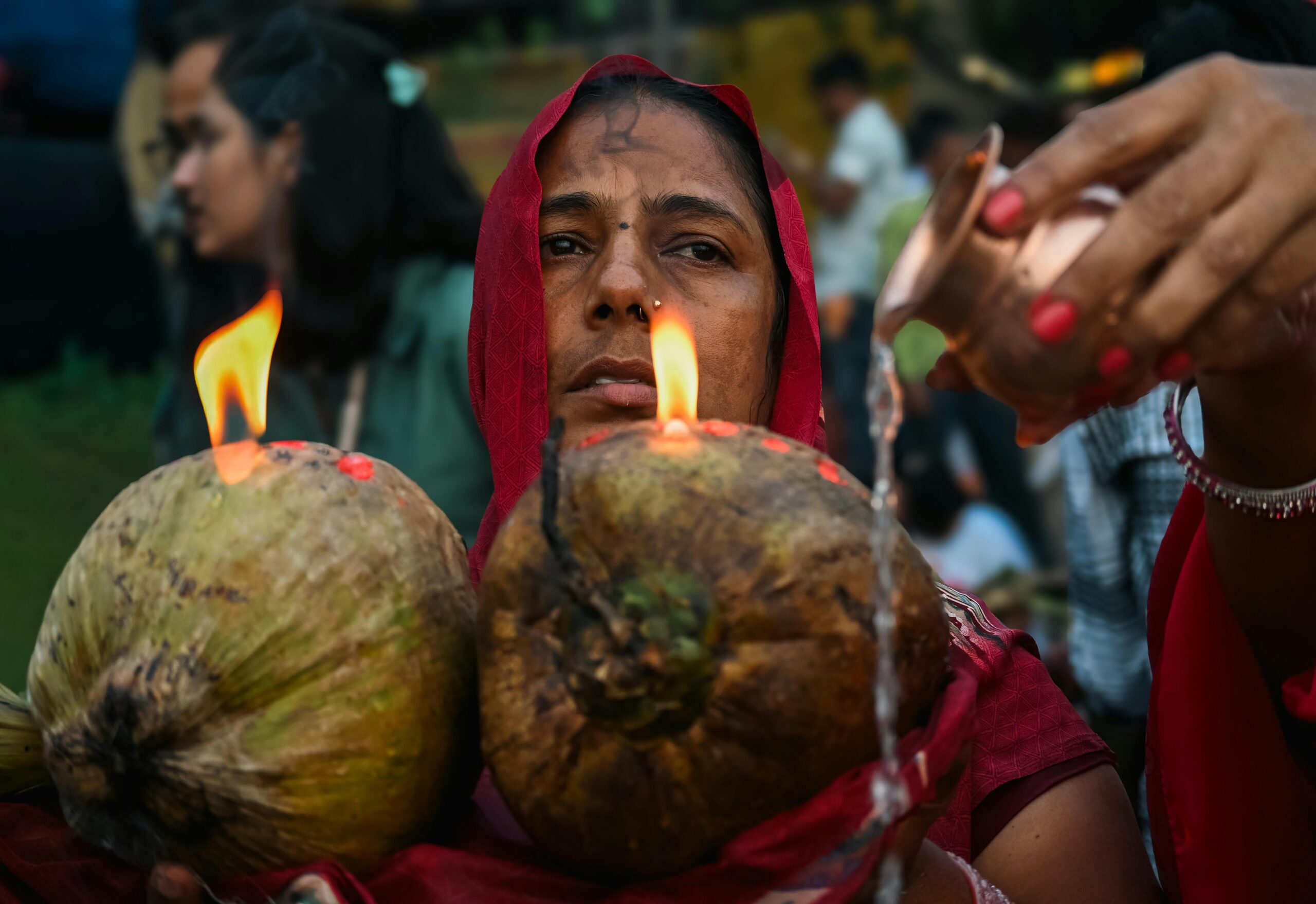
- Light: Candles, oil lamps, and sacred fires symbolizing consciousness, hope, and divine presence
🎊 Festivals: When Communities Celebrate the Sacred
Festivals represent the culmination of ritual practice—communal celebrations that mark seasonal transitions, commemorate historical events, honor deities, and renew collective identity. These gatherings served essential functions in traditional societies, providing structured occasions for joy, release, and social bonding.
Agricultural societies worldwide developed festival calendars aligned with planting, growing, and harvest cycles. These celebrations acknowledged human dependence on natural forces while creating opportunities for communities to share abundance, redistribute resources, and strengthen social networks crucial for survival.
The transformative power of festivals lies in their ability to suspend ordinary time and create sacred temporalities where different rules apply. During Carnival, Roman Saturnalia, or Hindu Holi, social hierarchies temporarily inverted, allowing cathartic release and social commentary otherwise forbidden. These pressure valves prevented social tensions from fracturing communities.
Festivals of Protection and Renewal
Many ancient festivals specifically focused on protection and purification, preparing communities for challenging seasons or warding off malevolent influences. The Chinese Spring Festival (Lunar New Year) incorporates protective symbols, cleansing rituals, and offerings to ensure prosperity and safety for the coming year.
Japanese Setsubun marks the transition into spring with bean-throwing rituals to drive out evil spirits and welcome good fortune. Participants shout “Oni wa soto! Fuku wa uchi!” (Demons out! Luck in!) while throwing roasted soybeans, demonstrating how playful community action can serve protective purposes.
The ancient Celtic festival of Beltane celebrated May’s arrival with protective fire rituals. Communities drove livestock between two bonfires for purification and protection, while people jumped over flames for health and fertility blessings. These practices acknowledged seasonal transitions as vulnerable times requiring spiritual reinforcement.
🌍 Cross-Cultural Patterns in Sacred Practice
Examining rituals, offerings, and festivals across cultures reveals striking patterns that point to universal human spiritual impulses. Despite vast differences in theology, cosmology, and cultural context, certain elements appear repeatedly in sacred traditions worldwide.
| Element | Universal Appearance | Examples |
|---|---|---|
| Sacred Direction | Orientation toward specific cardinal points during rituals | Eastern-facing temples (Hindu/Buddhist), Jerusalem-facing prayer (Islam), cardinal directions in Indigenous American ceremonies |
| Purification | Cleansing before sacred activities using water, smoke, or sound | Ablution (Islamic wudu), sage smudging (Native American), water lustration (Shinto misogi) |
| Sacred Boundaries | Creating marked spaces for spiritual activity | Magic circles (Western occultism), mandalas (Tibetan Buddhism), sacred groves (Celtic/African traditions) |
| Cyclical Observance | Regular repetition aligned with natural cycles | Sabbath observances, lunar celebrations, solstice festivals, agricultural commemorations |
The Psychology of Communal Connection
Modern neuroscience and psychology illuminate why ancient communal practices proved so effective at creating social cohesion. When people engage in synchronized activities—chanting, dancing, processing, or feasting together—their brain waves synchronize, creating neurological harmony that translates into social bonding.
Collective rituals trigger oxytocin release, the hormone associated with trust and bonding. They activate mirror neuron systems that create empathy and shared emotional experiences. Festivals that incorporate music and movement synchronize not just actions but heartbeats and breathing patterns, creating profound somatic connections between participants.
These biological mechanisms explain why communities that maintain regular ritual and festival practices demonstrate higher social capital, lower crime rates, and stronger support networks. Ancient wisdom encoded in religious practice aligns perfectly with contemporary understanding of human social psychology.
⚡ Protection Rituals in Ancient Traditions
Protection magic and ritual constitute perhaps the most universal category of spiritual practice. Every culture developed sophisticated systems for safeguarding individuals, families, and communities from harm—whether physical, spiritual, or social.
Ancient Mesopotamian texts describe elaborate apotropaic rituals involving incantations, symbolic objects, and offerings to protective deities. Babylonian homes featured terracotta plaques depicting protective demons like Pazuzu, whose fearsome appearance frightened away more malevolent spirits. These weren’t mere decorations but active spiritual technologies.
Egyptian magical practice employed heka—sacred words of power—combined with amulets, ritual actions, and offerings. The protective Eye of Horus appeared on amulets, tomb walls, and papyri, serving as both symbol and active agent of protection. Priests performed opening-of-the-mouth ceremonies to activate protective power in statues and amulets.
European Folk Protection Practices
Medieval and early modern European folk traditions maintained pre-Christian protective practices alongside official religious observances. Horseshoes, rowan branches, iron objects, and salt served as protective agents against witchcraft and evil spirits. These objects weren’t merely symbolic but were activated through blessing rituals and proper placement.
Homesteads incorporated protective symbols into architecture—hex signs on barns, witch bottles buried at thresholds, and protective herbs planted near doorways. Annual customs like wassailing orchards or blessing fields combined offerings, songs, and communal celebration to ensure protection and prosperity for crops.
The continuity of these practices into modern times demonstrates their psychological and social efficacy. Contemporary practitioners who maintain these traditions report enhanced feelings of safety, connection to heritage, and community belonging—benefits that transcend belief in literal magical mechanisms.
🌸 The Art of Creating Sacred Space
Every ritual tradition recognizes the importance of sacred space—locations or moments set apart from ordinary experience where spiritual work can occur. Creating sacred space represents a fundamental ritual technology that enables protection, connection, and transformation.
Indigenous Australian traditions recognize songlines—pathways across landscape that ancestors sang into existence. Walking these paths while performing appropriate songs recreates sacred geography and maintains cosmic order. The land itself becomes ritual space activated through proper performance.
Tibetan Buddhist monks create intricate sand mandalas over days or weeks, transforming ordinary materials into sacred cosmological diagrams. The creation process itself constitutes meditation and offering, while the completed mandala serves as focal point for ritual. Its eventual destruction teaches impermanence and non-attachment.
Domestic Sacred Spaces
While grand temples and ceremonial grounds capture imagination, domestic sacred spaces proved equally important in traditional cultures. Household altars, shrines, and designated ritual areas allowed families to maintain daily spiritual practices that protected and unified them.
Roman lararia honored household gods (lares and penates) with daily offerings and prayers. These shrines occupied prominent positions in homes, reminding residents of divine protection and family continuity across generations. Hindu families maintain similar traditions with household puja spaces where daily devotions occur.
Creating personal sacred space requires minimal resources but consistent intention. A designated shelf, corner, or small table can become powerful ritual focal point when regularly attended with offerings, prayers, and presence. The practice trains attention, cultivates gratitude, and creates psychological anchors for spiritual practice.
🔥 Fire Festivals and Purification
Fire holds unique status across spiritual traditions as purifying, transforming, and protective force. Fire festivals appear worldwide, marking seasonal transitions and providing communal experiences of renewal and protection.
The ancient Persian festival of Chaharshanbe Suri involves jumping over bonfires while reciting purification prayers. Participants symbolically burn away illness, misfortune, and negativity while absorbing fire’s vitality and protection. This practice continues today, demonstrating enduring power of fire ritual.
Scottish Highland communities maintained Beltane fire festivals well into modern times, lighting hilltop bonfires visible across regions. These coordinated fires created networks of light asserting human presence against darkness and wilderness. Cattle driven between fires received protection for coming seasons, while communities gathered in firelight for feasting and celebration.
Transformative Power of Sacred Fire
Fire transforms whatever it touches—solid to ash, cold to warm, darkness to light. This transformative capacity makes fire ideal medium for spiritual work. Burning offerings carries them to spiritual realms while eliminating material form. Fire purifies through destruction, creating space for renewal.
Hindu fire ceremonies (havans) invoke Agni, the fire deity who serves as divine messenger. Offerings placed in sacred fire transform into smoke that reaches heavenly realms, creating connection between human and divine. Participants receive blessings through fire’s transformative energy, leaving purified and protected.
🌙 Lunar Observances and Cyclical Practice
Lunar cycles provided humanity’s first reliable calendar, and moon-based festivals appear in every traditional culture. The moon’s visible transformation from dark to full to dark again offered perfect metaphor for death, rebirth, and cyclical renewal.
Many protection rituals specifically occurred during new moons—times of darkness and new beginnings when malevolent forces supposedly held greater power. These vulnerable moments required extra vigilance and spiritual reinforcement through ritual, offering, and community gathering.
Full moon festivals celebrated abundance, illumination, and peak energy. Buddhist communities observe Uposatha days aligned with lunar phases, intensifying practice during these potent times. The full moon preceding Easter determines that Christian holy day, maintaining lunar calendar influence despite solar calendar adoption.
💫 Reviving Ancient Practices in Modern Life
Contemporary spiritual seekers increasingly turn toward ancient ritual practices, finding in them antidotes to modern isolation, meaninglessness, and disconnection. These revivals aren’t mere nostalgia but responses to genuine psychological and social needs that traditional practices effectively address.
Urban communities create new festival traditions that honor seasonal cycles while adapting to contemporary contexts. Community gardens host harvest festivals, neighborhood groups organize solstice celebrations, and spiritual communities gather for new and full moon rituals. These practices build social capital while reconnecting participants to natural rhythms.
Individual practitioners maintain daily offering practices, create home altars, and observe personal ritual calendars. These practices provide structure, meaning, and connection—benefits that organized religion once offered but many no longer find in conventional religious institutions.
Authentic Adaptation vs. Appropriation
Reviving ancient practices requires sensitivity to cultural context and respect for living traditions. Practices can be adapted respectfully by understanding their original purposes, honoring their cultural origins, and avoiding commercialization or trivialization of sacred traditions.
Working with universal ritual elements—sacred space creation, seasonal observation, offering practices, and communal celebration—allows modern practitioners to develop authentic spiritual practices without appropriating specific cultural forms. The underlying principles prove more important than exact replication of forms developed in different contexts.
🌟 The Continuing Relevance of Ancient Wisdom
Ancient rituals, offerings, and festivals address timeless human needs that remain relevant regardless of technological advancement or social change. We still require protection from uncertainty, connection with community, and frameworks for meaning-making. Traditional practices offer time-tested approaches to these universal requirements.
As modern society faces increasing isolation, environmental crisis, and meaning deficit, ancient practices offer remedies developed through millennia of human experience. Creating sacred space in homes provides psychological anchoring. Seasonal celebrations reconnect us with natural cycles. Communal rituals build social bonds that prevent isolation and alienation.
The wisdom embedded in traditional practices recognizes human beings as simultaneously individual and communal, material and spiritual, rational and symbolic. By engaging these practices thoughtfully, we access integrated approaches to wellbeing that address our full humanity rather than fragmentary aspects modern life often emphasizes.
Whether through simple daily offerings at home altars, participation in seasonal community festivals, or creation of new rituals honoring contemporary realities while respecting ancient wisdom, modern practitioners can unlock the protective and connective power these practices have always offered. The ancient harmony we seek remains accessible through dedicated, respectful engagement with humanity’s ritual heritage.