Throughout human history, certain individuals have claimed the ability to bridge the visible and invisible worlds. These masters of the unknown have shaped civilizations, guided communities, and preserved sacred knowledge across generations.

Priests, shamans, and spiritual intermediaries have long occupied a unique space in society, wielding influence that transcends mere political or economic power. Their authority rests on claims of accessing hidden truths, communicating with supernatural forces, and interpreting the mysteries that govern existence. Understanding how these figures established and maintained their legitimacy offers profound insights into the human quest for meaning, order, and connection with forces beyond our immediate perception.
🔮 The Emergence of Spiritual Specialists in Ancient Societies
The specialization of religious knowledge began when early human communities grew complex enough to support individuals dedicated to spiritual matters. Unlike hunters or farmers, these emerging religious specialists invested time in mastering rituals, memorizing sacred narratives, and developing techniques for altered states of consciousness.
Archaeological evidence suggests that shamanic practices date back at least 30,000 years, with cave paintings depicting figures in ceremonial dress performing what appear to be ritualistic activities. These early spiritual practitioners served multiple functions: healers, counselors, mediators with the spirit world, and keepers of cosmological knowledge.
The transition from egalitarian shamanism to hierarchical priesthoods occurred alongside the development of agricultural societies and urban centers. As communities grew larger and more stratified, religious practices became increasingly formalized, creating distinct classes of religious professionals with specialized training and institutional backing.
The Shaman’s Journey: Ecstatic Knowledge and Personal Power
Shamanism represents one of humanity’s oldest spiritual technologies, characterized by the practitioner’s ability to enter altered states of consciousness and journey to otherworldly realms. Unlike priests who primarily serve as intermediaries through established rituals, shamans claim direct experiential knowledge of supernatural domains.
Techniques of Transcendence and Transformation
Shamanic practices employ various methods to achieve ecstatic states, including rhythmic drumming, chanting, dancing, fasting, and in many cultures, the use of psychoactive plants. These techniques induce experiences that practitioners interpret as soul flights, communications with spirits, or visits to upper and lower worlds.
The legitimacy of shamanic authority derives from several sources:
- Direct personal experience of the spirit world through initiatory ordeals
- Demonstrated ability to heal illnesses or solve community problems
- Possession of specialized knowledge transmitted through apprenticeship
- Recognition by established shamans and community validation
- Dramatic public performances that manifest spiritual power
Shamanic initiation often involves a symbolic death and rebirth, during which the novice experiences visions, encounters spirit guides, and receives instruction in the hidden structures of reality. This transformative experience becomes the foundation of their authority and distinguishes them from ordinary community members.
The Cosmic Cartographers: Mapping Invisible Realms
Shamans function as cosmic cartographers, creating mental maps of spiritual territories that their communities rely upon for navigation through life’s challenges. These maps include knowledge of helpful and harmful spirits, the locations of power sites, and the proper protocols for engaging supernatural entities.
This specialized knowledge creates a dependency relationship between shamans and their communities. When illness strikes, crops fail, or misfortune persists, people turn to those who claim expertise in diagnosing spiritual causes and implementing appropriate remedies. The shaman’s ability to provide explanatory frameworks for suffering and uncertainty secures their social position.
⛪ Priestly Power: Institutionalized Spiritual Authority
While shamans typically operate as individual practitioners whose authority stems from personal charisma and demonstrated abilities, priests derive legitimacy from institutional structures, hereditary succession, and formalized training in established traditions. This shift from personal to institutional authority marks a significant development in religious history.
The Architecture of Sacred Hierarchy
Priestly systems emerged alongside complex civilizations in Mesopotamia, Egypt, India, China, and Mesoamerica. These systems featured elaborate hierarchies with clearly defined ranks, specialized roles, and standardized training procedures. Unlike the relatively egalitarian access to shamanic practice, priesthoods often restricted entry based on birth, gender, or other ascribed characteristics.
The legitimacy of priestly authority rests on different foundations than shamanic power:
- Institutional continuity linking current practitioners to founding figures or divine revelations
- Mastery of complex textual traditions and liturgical procedures
- Control over sacred spaces, objects, and rituals essential to community welfare
- Alliance with political authorities providing mutual reinforcement
- Elaborate theological systems explaining the cosmos and human purpose
Guardians of the Sacred Text: Literacy and Religious Power
The development of writing systems profoundly transformed religious authority. Literacy became a specialized skill concentrated among priestly classes, who controlled access to sacred texts containing divine revelations, ritual instructions, and theological interpretations. This monopoly on written knowledge created enormous power asymmetries between literate priests and illiterate populations.
In ancient Egypt, priests mastered hieroglyphic writing systems used exclusively for religious purposes. In medieval Europe, Latin literacy remained largely confined to Christian clergy. In India, Brahmin priests maintained exclusive knowledge of Sanskrit texts. This pattern repeated across civilizations: those who could read and interpret sacred writings claimed authority to mediate between divine will and human communities.
🌟 The Knowledge Economy of the Sacred
Both shamanic and priestly systems operate within what might be termed a “knowledge economy of the sacred,” where specialized information about invisible realities translates into social influence, material resources, and cultural authority. Understanding the mechanisms of this economy illuminates how religious specialists establish and maintain legitimacy.
Epistemological Monopolies and Social Control
Religious specialists create epistemological monopolies by claiming exclusive access to crucial information about the nature of reality, the causes of fortune and misfortune, and the requirements for salvation or spiritual wellbeing. These knowledge claims cannot be easily verified through ordinary experience, creating space for specialized authorities to define truth.
The power of these epistemological monopolies depends on several factors:
- Perceived consequences of ignorance (illness, death, damnation, misfortune)
- Complexity of knowledge systems requiring extended training
- Restriction of access through initiation requirements or institutional barriers
- Successful predictions or interventions reinforcing claimed expertise
- Cultural consensus supporting the authority of specialists
The Performance of Legitimacy: Ritual as Demonstration
Religious specialists continually perform their legitimacy through public rituals that demonstrate their special relationship with supernatural forces. These performances range from shamanic healing ceremonies to elaborate priestly liturgies, each designed to manifest spiritual power in observable ways.
Effective ritual performance requires mastery of specialized knowledge including proper sequences, verbal formulas, gestures, timing, and material preparations. The complexity of these requirements creates barriers to entry while providing opportunities for practitioners to display their expertise. When rituals produce desired outcomes—healing, rain, victory, good harvests—they validate the practitioner’s authority. When they fail, elaborate explanatory frameworks attribute failure to external factors rather than ineffective knowledge.
📚 The Quest for Legitimacy: Challenges and Adaptations
Throughout history, religious specialists have faced challenges to their authority from rival claimants, skeptics, political authorities, and changing social conditions. How they respond to these challenges reveals the mechanisms through which spiritual authority adapts and persists.
Competing Claims and Boundary Maintenance
Religious fields rarely contain a single, unchallenged authority. Instead, multiple individuals and groups compete to establish their legitimacy while undermining rivals. Shamans may accuse each other of malevolent sorcery. Priestly factions dispute correct interpretations of doctrine. New prophets challenge established institutions with claims of fresh revelations.
These competitions drive the development of increasingly sophisticated legitimation strategies. Practitioners elaborate their credentials, trace their lineages to more ancient or powerful sources, develop more complex theoretical systems, and create institutional structures that outlast individual charismatics. The result is an evolutionary process where successful legitimation strategies proliferate while unsuccessful ones disappear.
Navigating Skepticism and Rationalization
As societies develop empirical knowledge systems and rationalist philosophies, religious specialists must adapt their claims to maintain credibility. This has produced various responses including rejection of secular knowledge, reinterpretation of religious claims as metaphorical or psychological rather than literal, restriction of religious authority to specific domains, and synthesis of scientific and spiritual frameworks.
The challenge of scientific rationalism has proven particularly significant in modern contexts. Religious specialists who once claimed authority over medical treatment, agricultural success, and natural phenomena have seen these domains increasingly occupied by secular experts with empirically verifiable knowledge. Successful adaptation has often involved repositioning religious knowledge as addressing questions of meaning, purpose, and ethics rather than physical causation.
🌍 Modern Manifestations: Ancient Patterns in Contemporary Contexts
Although the contemporary world differs dramatically from ancient societies, the basic dynamics of spiritual authority persist in modified forms. New religious movements, alternative spiritualities, and even secular ideologies replicate patterns established by shamans and priests millennia ago.
The New Age Marketplace and Spiritual Commodification
Contemporary spirituality features a marketplace of practices, practitioners, and products that echo ancient patterns of spiritual authority. Self-proclaimed shamans offer ayahuasca ceremonies and soul retrieval services. Energy healers claim to manipulate invisible forces affecting health and wellbeing. Life coaches blend psychological language with spiritual concepts to offer guidance and transformation.
These modern spiritual specialists face unique legitimation challenges in pluralistic, skeptical societies without traditional structures of authority. They establish credibility through various means including certification programs, published books, media appearances, testimonials, scientific-sounding language, and association with indigenous traditions. The democratization of spiritual authority means individuals can select from competing practitioners based on personal preference, effectiveness, and resonance rather than inherited tradition or institutional mandate.
Digital Shamans and Virtual Communities
Internet technologies have created new possibilities for religious specialists to establish authority and build followings. Online platforms allow individuals to bypass traditional gatekeepers, reaching global audiences without institutional backing. YouTube channels, podcasts, social media profiles, and online courses enable spiritual teachers to demonstrate expertise, share knowledge, and cultivate communities.
This digital environment both democratizes and fragments spiritual authority. Anyone can claim expertise and attract followers, but maintaining legitimacy requires consistent content creation, community engagement, and visible results. The transparency of online spaces means failures and controversies spread rapidly, while successful practitioners can achieve influence unimaginable in previous eras.
⚖️ Power, Knowledge, and the Ethics of Authority
The relationship between religious specialists and their communities raises ethical questions about power, manipulation, and authentic service. Throughout history, some practitioners have genuinely served their communities’ wellbeing while others exploited credulity for personal gain. Distinguishing between these requires examining the dynamics of spiritual authority critically.
The Potential for Exploitation and Abuse
Monopolies on sacred knowledge create opportunities for exploitation. When individuals depend on religious specialists for salvation, healing, or basic understanding of reality, they become vulnerable to manipulation. Historical and contemporary examples include financial exploitation through mandatory tithes or expensive services, sexual abuse justified through spiritual authority, psychological manipulation through fear of supernatural consequences, and political control legitimized by religious claims.
The difficulty of verifying spiritual claims makes abuse particularly insidious. Unlike medical malpractice or fraudulent financial advice, spiritual deception often cannot be definitively proven. Failed healing might be attributed to insufficient faith. Unsuccessful rituals might require additional, costly interventions. Predictions that don’t materialize might be reinterpreted or forgotten. This creates asymmetric accountability where practitioners receive credit for successes but avoid responsibility for failures.
Authentic Service and Genuine Expertise
Despite these dangers, religious specialists have also provided genuine services addressing real human needs. Shamanic healing practices often incorporate sophisticated psychological insights, herbal medicine knowledge, and community support mechanisms. Priestly counseling has helped countless individuals navigate grief, moral dilemmas, and existential questions. Spiritual communities provide belonging, meaning, and mutual support that enhance wellbeing.
The question of authenticity in spiritual authority may be less about whether supernatural claims are literally true and more about whether practices genuinely serve human flourishing. From this perspective, effective religious specialists function as psychologists, counselors, meaning-makers, and community organizers whose techniques, though framed in supernatural language, address real psychological and social needs.
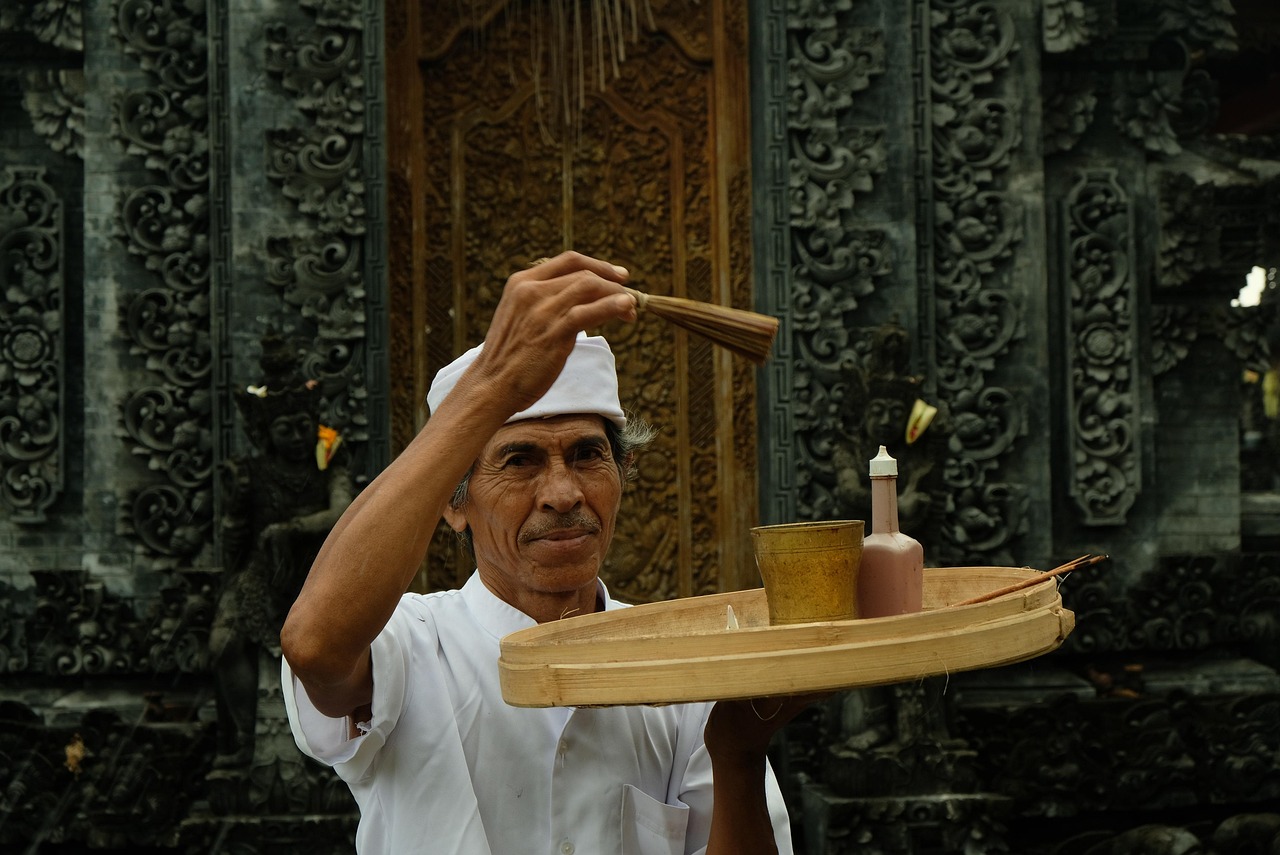
🔑 Unlocking the Power: Lessons from Masters of the Unknown
Examining how shamans and priests establish and maintain authority reveals fundamental insights about human psychology, social organization, and the quest for meaning. Several key lessons emerge from this analysis that remain relevant regardless of one’s personal beliefs about supernatural realities.
First, humans require explanatory frameworks that account for suffering, uncertainty, and death. Religious specialists have historically fulfilled this need by providing cosmologies, theodicies, and rituals that make existence comprehensible and manageable. Even in secular contexts, individuals seek authorities who can explain complex realities and prescribe appropriate responses.
Second, knowledge itself constitutes a form of power, particularly knowledge that addresses questions outside ordinary experience or empirical verification. Whether spiritual truths, theoretical physics, or economic forecasting, specialized knowledge creates asymmetries between experts and non-experts. Understanding how spiritual authorities establish legitimacy illuminates broader dynamics of expertise and trust in complex societies.
Third, community validation remains essential to sustained authority. Even the most charismatic shaman or institutionally backed priest requires ongoing recognition from their community. When practitioners fail to deliver expected results, when their behavior contradicts their teachings, or when alternative authorities prove more compelling, their legitimacy erodes. This suggests that authority, even in hierarchical religious systems, ultimately depends on reciprocal relationships rather than unilateral imposition.
Fourth, the quest for transcendent knowledge reflects genuine human needs for connection, meaning, and purpose that cannot be fully satisfied by material comfort or empirical knowledge alone. The persistence of spiritual seeking across cultures and throughout history suggests that religious specialists address aspects of human experience that secular institutions struggle to accommodate.
The masters of the unknown—shamans, priests, and their contemporary equivalents—continue to shape how individuals understand themselves and their place in the cosmos. By examining their methods of establishing legitimacy, their knowledge systems, and their social functions, we gain insight not only into religious history but into the ongoing human project of creating meaning in an uncertain world. Whether we seek such guidance ourselves or observe others doing so, understanding the dynamics of spiritual authority enriches our comprehension of what it means to be human and how we collectively construct the realities we inhabit.