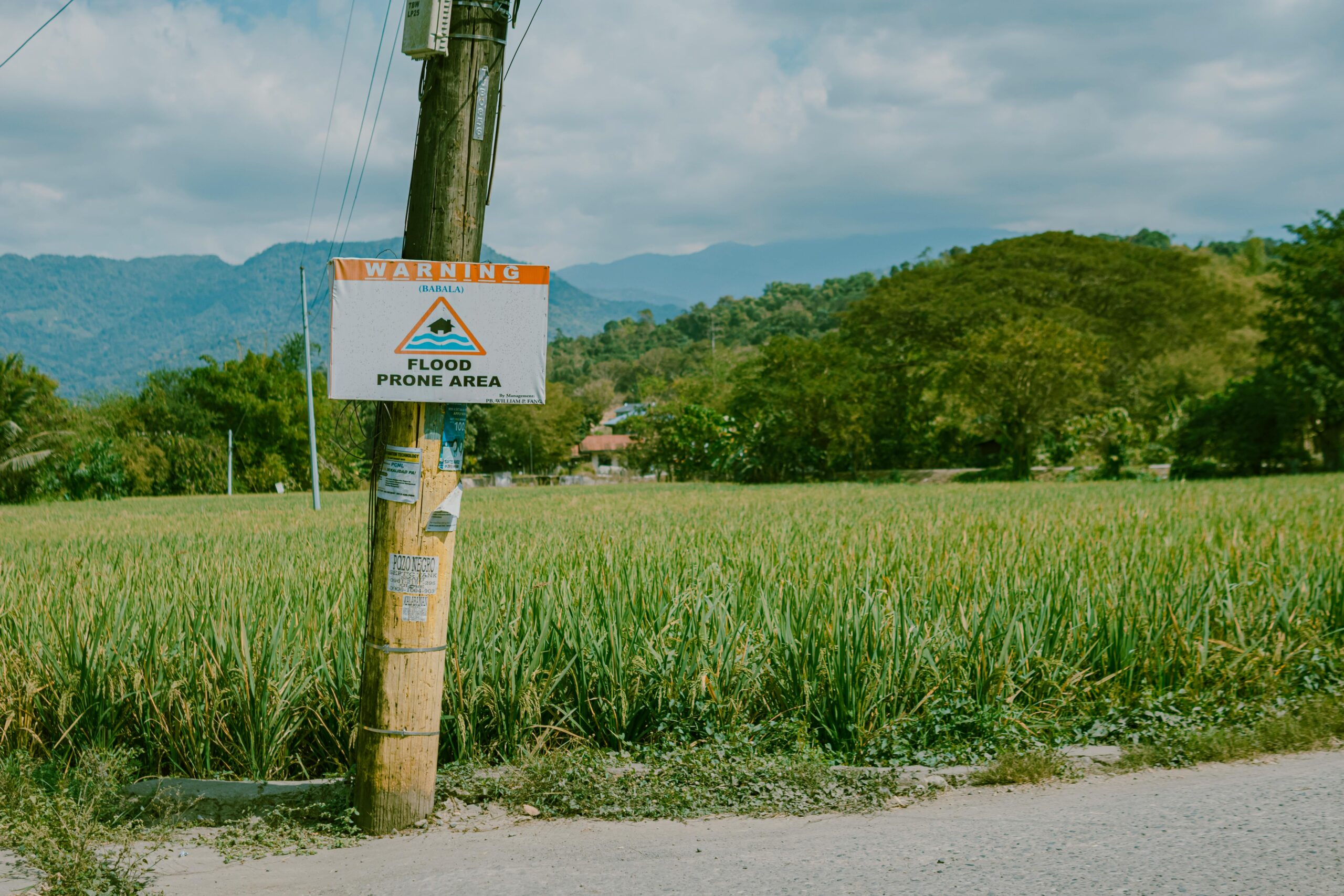
Nature operates on a timeless rhythm, revealing its secrets through subtle shifts in wildlife behavior, plant cycles, and celestial movements. Learning to read these signals connects us profoundly to the living world around us.

For thousands of years, humans have survived by observing phenological patterns—the recurring natural phenomena tied to seasons and climate. Indigenous peoples worldwide developed sophisticated knowledge systems based on when certain birds migrated, plants flowered, or stars appeared in specific positions. Today, this ancient wisdom merges with modern science, offering everyone the opportunity to become citizen scientists and reconnect with Earth’s natural calendar.
🌿 Understanding Phenology: The Science of Nature’s Timing
Phenology represents the study of periodic plant and animal life cycle events and how these are influenced by seasonal variations in climate and habitat factors. This scientific discipline bridges ecology, meteorology, and biology, examining the intricate timing mechanisms that govern nature’s rhythms.
Unlike fixed calendar dates, phenological events respond dynamically to environmental conditions. The first robin of spring, the blooming of cherry blossoms, or the migration of monarch butterflies don’t occur on predetermined dates but rather when specific environmental triggers align—temperature thresholds, daylight duration, and precipitation patterns.
Climate scientists increasingly recognize phenology as a sensitive indicator of environmental change. Shifts in timing—earlier springs, delayed frosts, or altered migration patterns—provide tangible evidence of how ecosystems respond to warming temperatures and changing weather patterns.
Reading the Plant Kingdom’s Seasonal Signals 🌸
Plants offer some of the most accessible and reliable phenological indicators. Their life cycles—from bud break to leaf emergence, flowering, fruiting, and senescence—create visible markers that track seasonal progression with remarkable precision.
Early Spring Indicators
The first signs of spring often appear underground before becoming visible. Bulbs like crocuses, snowdrops, and daffodils respond to soil temperature changes, pushing through snow to announce winter’s end. These early bloomers rely on accumulated chilling hours during winter, followed by warming soil temperatures that trigger growth hormones.
Tree phenology provides particularly valuable seasonal information. Observing specific indicator species in your region creates a personalized natural calendar:
- Willows and alders typically show the first catkins and leaf buds
- Maple trees produce distinctive red flowers before leaves unfurl
- Oak leaf emergence traditionally signals safe planting times for frost-sensitive crops
- Lilac blooming indicates soil temperatures suitable for warm-season vegetables
- Dogwood flowering marks optimal moments for specific agricultural activities
Summer and Autumn Transitions
As seasons progress, plant phenology continues broadcasting environmental information. Midsummer flowering of species like joe-pye weed and ironweed signals peak growing season. The first color changes in sumac leaves often precede autumn by several weeks, while widespread tree leaf coloration reflects accumulated temperature patterns and daylight reduction.
Fruit and seed production timings affect entire ecosystems, determining food availability for wildlife and influencing animal behavior patterns. Acorn mast years—when oak trees produce abundant crops—trigger population booms in deer, squirrels, and wild turkeys, demonstrating how plant phenology cascades through food webs.
Wildlife Behavior as Seasonal Timekeeper 🦋
Animals provide dynamic, mobile phenological indicators that often signal seasonal changes before plant responses become visible. Their behaviors—migration, breeding, hibernation, and foraging pattern shifts—reflect sophisticated environmental sensing abilities honed through evolutionary time.
Avian Indicators and Migration Patterns
Birds offer exceptional phenological insights. Spring migrants arrive when insect populations emerge, matching food availability with energy-intensive breeding activities. Observing specific species creates a reliable seasonal timeline:
Red-winged blackbirds, killdeer, and American robins typically herald early spring in temperate regions. Their arrival correlates with soil thawing and early invertebrate activity. Mid-spring brings warblers, swallows, and orioles, while late-season migrants like common nighthawks appear only when specific insects reach abundance.
Autumn migration follows reverse patterns, with timing influenced by food depletion, daylight length, and genetic programming. Shorebirds often begin southward journeys while summer heat persists, followed by songbirds, raptors, and finally waterfowl as waters freeze.
Insect Emergence and Activity Cycles
Insects provide micro-scale phenological information. The first mosquito bites, firefly flashes, or cicada songs announce specific environmental thresholds. Butterfly species emerge in predictable succession, with mourning cloaks and spring azures appearing first, followed by swallowtails, then fritillaries and finally late-season species.
Bees and other pollinators synchronize with flowering plants in remarkable co-evolutionary relationships. The appearance of specialist pollinators indicates specific plant species are blooming, creating observable ecological connections.
Amphibian Choruses and Breeding Events
Amphibians offer audible phenological markers. Spring peepers create distinctive choruses when night temperatures consistently exceed specific thresholds. Wood frogs breed explosively during brief periods when vernal pools thaw, while bullfrogs vocalize only during late spring warmth. These vocal announcements provide precise indicators of seasonal progression and microclimate conditions.
⭐ Cosmic Signals: Celestial Markers of Earth’s Journey
Beyond terrestrial indicators, celestial phenomena provide absolute seasonal markers based on Earth’s orbital position. Ancient cultures developed sophisticated astronomical knowledge, using star patterns, planetary movements, and solar positioning to track seasons and guide agricultural activities.
Solstices and Equinoxes
The astronomical seasons—defined by solstices and equinoxes—represent Earth’s axial tilt relative to the sun. The summer solstice (longest day) and winter solstice (shortest day) mark extreme points, while equinoxes represent balance points when day and night duration equalize.
These cosmic events don’t just define calendar dates; they influence biological rhythms through photoperiod—the duration of daily light exposure. Many organisms use changing daylight length as a reliable seasonal cue, more consistent than temperature variations.
Stellar and Planetary Indicators
Constellation positions change throughout the year as Earth orbits the sun. Specific star patterns appearing at sunset or dawn traditionally marked planting, harvesting, or preparation times. The Pleiades cluster rising at particular times guided agricultural scheduling across multiple continents and cultures.
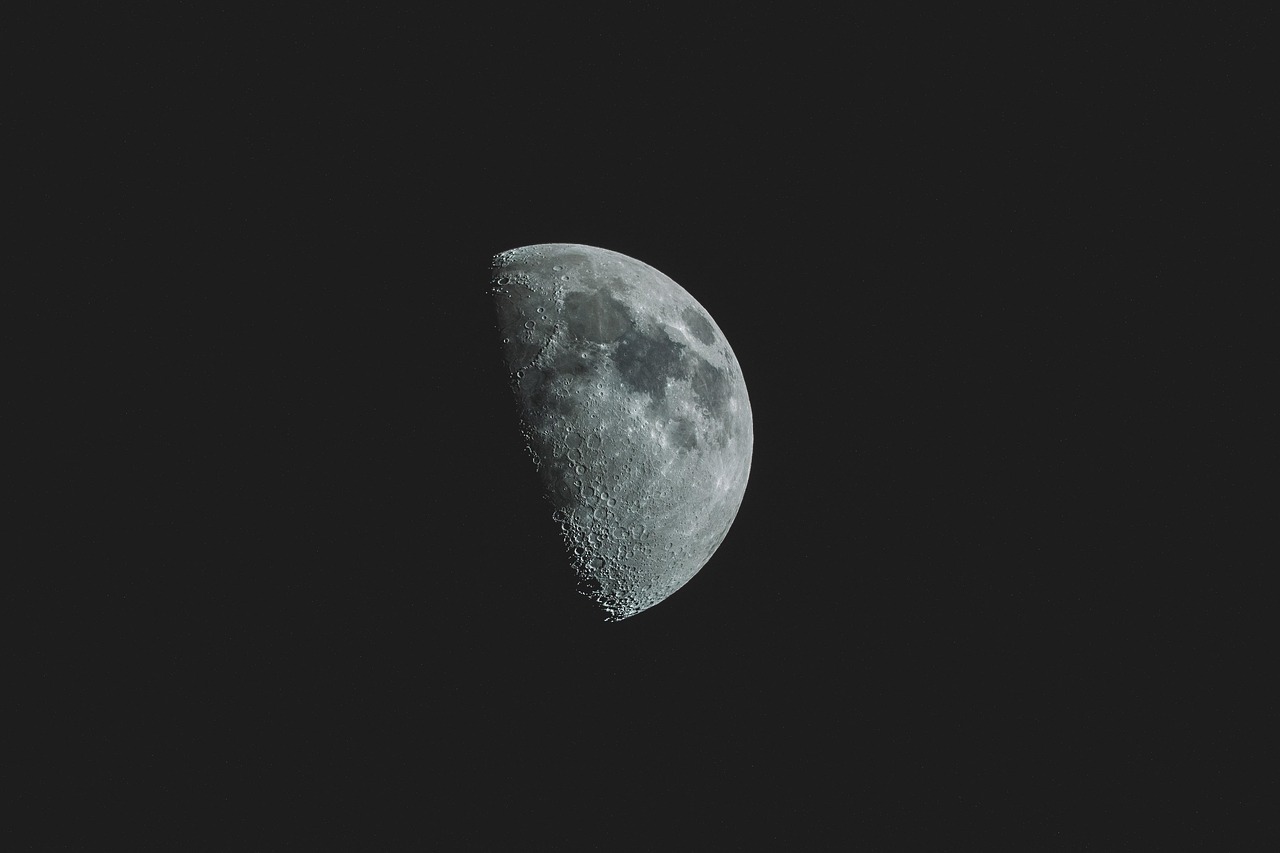
The moon’s phases and positions affect various natural phenomena. Spring tides coincide with new and full moons, influencing coastal ecosystems. Some species time reproductive activities to lunar cycles, creating connections between celestial mechanics and earthly biology.
Practical Methods for Phenological Observation 📝
Becoming an effective phenological observer requires consistent attention and systematic recording. Modern technology enhances traditional observation methods, but the fundamental practice remains straightforward and accessible to everyone.
Establishing Observation Routines
Select specific indicator organisms in your local area—particular trees, wildflower patches, bird species, or insect populations. Visit these indicators regularly, ideally weekly or even daily during transitional seasons. Consistency matters more than duration; brief frequent observations provide better data than occasional lengthy sessions.
Record observations with dates, locations, and environmental conditions. Note temperature, recent precipitation, wind conditions, and any relevant contextual information. Photographs create valuable records, documenting gradual changes that might escape memory.
Creating a Personal Phenology Journal
A dedicated journal—physical or digital—organizes observations over time. Track multiple indicators simultaneously to build comprehensive seasonal understanding. After several years, patterns emerge, revealing average timings, variations, and trends that reflect both normal variability and potential long-term changes.
Digital platforms and applications now enable citizen scientists to contribute observations to larger databases. The USA National Phenology Network’s Nature’s Notebook app allows users to record standardized observations that contribute to scientific research while building personal phenological knowledge.
Photography as Documentation Tool
Repeat photography from consistent locations creates powerful visual records of phenological change. Select viewpoints that capture indicator trees or landscape features, photographing them regularly throughout seasons and across years. These image sequences reveal subtle shifts that individual observations might miss.
🌍 Regional Variations and Local Patterns
Phenological patterns vary dramatically across geographical regions, elevations, and microclimates. Learning your local patterns creates practical knowledge applicable to gardening, outdoor recreation timing, and understanding your specific ecosystem.
Latitude profoundly influences phenology. Spring advances northward approximately 15 miles per day in North America, creating waves of blooming and migration across continents. Mountain elevation creates similar effects—spring arrives progressively later at higher elevations, sometimes creating accessible elevation gradients that demonstrate compressed seasonal transitions.
Urban heat island effects accelerate phenology in cities, with earlier leaf emergence and flowering compared to surrounding rural areas. These differences demonstrate climate’s influence on timing, providing localized examples of how temperature changes affect natural rhythms.
Connecting Observations to Climate Understanding 🌡️
Long-term phenological records provide evidence of climate change impacts. Earlier spring events, extended growing seasons, and mismatched timing between interdependent species indicate ecosystem disruption. Historical records—including those from naturalist journals, agricultural diaries, and monastery records dating back centuries—allow comparison with contemporary observations.
Scientists document measurable shifts: spring arriving 2-3 weeks earlier than decades past in many temperate regions, migration timing alterations, and disrupted synchronization between pollinators and flowering plants. These changes affect ecosystem functioning, agricultural productivity, and species survival.
Individual phenological observations contribute to understanding these changes. Citizen science networks aggregate thousands of observations, creating datasets that reveal patterns invisible at individual scales. Your backyard observations become meaningful when combined with others across regions and years.
Practical Applications of Phenological Knowledge 🌾
Beyond scientific interest, phenological awareness offers practical benefits for daily life, agriculture, and outdoor activities. Traditional ecological knowledge systems demonstrate how phenological observation guided survival activities for millennia.
Gardening and Agriculture
Rather than fixed calendar dates, phenological indicators provide reliable planting guidelines adapted to actual seasonal conditions. When lilacs bloom, soil temperatures typically support certain vegetables. When oak leaves reach squirrel-ear size, traditional knowledge suggests safe corn planting time. These biological indicators respond to the same environmental factors affecting crop success, making them more reliable than arbitrary dates.
Outdoor Recreation Timing
Phenological knowledge optimizes outdoor experiences. Peak wildflower timing, fall color displays, bird migration concentrations, and wildlife activity patterns all follow phenological schedules. Understanding these patterns helps plan trips to witness specific phenomena at their optimal moments.
Pest and Disease Management
Many pest insects and plant diseases follow phenological patterns. Certain interventions prove most effective at specific developmental stages, identifiable through indicator plant phenology. This approach reduces unnecessary treatments while improving effectiveness.
Teaching Phenology to Future Generations 👨👩👧👦
Phenological observation offers exceptional educational value, teaching scientific method, ecological connections, and patient attention. Children naturally respond to seasonal changes, making phenology accessible and engaging across ages.
Simple activities build phenological literacy: tracking a specific tree through seasons, recording first-and-last dates for migrant birds, photographing the same location monthly, or creating pressed flower collections with dates and locations. These activities cultivate observation skills, scientific thinking, and nature connection simultaneously.
Schools increasingly incorporate phenology into curricula, connecting students with local environments while contributing to scientific databases. Multi-year projects allow students to observe patterns and variations, experiencing authentic scientific investigation.
The Deepening Connection: Why Phenology Matters 💚
Beyond practical applications and scientific contributions, phenological observation cultivates profound connection with place and planet. Regular attention to natural rhythms grounds us in larger cycles beyond human control or construction. This awareness provides perspective, wonder, and belonging increasingly rare in modern life.
Phenology reminds us that nature operates on timelines measured in seasons and years, not minutes and seconds. Plants don’t bloom because calendars say they should, but because conditions align with their biological requirements. Animals migrate following ancient imperatives encoded through countless generations. These rhythms existed long before human observation and will continue regardless of our attention—yet choosing to observe invites us into ongoing conversations between organisms and environment.
Climate change makes phenological observation increasingly important. As environmental conditions shift, natural timing patterns change, sometimes creating mismatches with cascading effects. Understanding these patterns helps communities adapt while contributing to larger scientific understanding of how ecosystems respond to environmental change.
Starting phenological observation requires no special equipment or expertise—only attention, curiosity, and consistency. Your backyard, local park, or regular walking route contains countless phenological indicators waiting to reveal nature’s calendar. By observing these signals, you join a tradition stretching back through human history while contributing to understanding Earth’s present and future.
The invitation stands open: step outside, look closely, record what you see, and return regularly. Nature’s calendar awaits discovery, offering endless learning, practical wisdom, and deep satisfaction that comes from truly knowing your place in the living world. Each observation connects you to cycles larger than individual existence, reminding us that we participate in systems of breathtaking complexity, resilience, and beauty—systems worth understanding, protecting, and celebrating.