
Climate change is reshaping agriculture worldwide, challenging farmers to adapt or face declining yields. The solution lies not in fighting nature, but in working with it through time-tested methods that modern science now validates.

Sustainable farming practices like crop diversity, polyculture, and rotation are emerging as powerful tools to build resilience against unpredictable weather patterns, soil degradation, and pest pressures. These approaches transform farms into living ecosystems that thrive rather than merely survive in our changing world.
🌱 Understanding the Foundation: Why Traditional Monoculture Falls Short
For decades, industrial agriculture has relied heavily on monoculture—growing a single crop across vast expanses of land. While this approach offered simplicity and economies of scale, it created vulnerabilities that climate change now exposes with brutal clarity.
Monoculture systems deplete soil nutrients unevenly, create ideal conditions for pest outbreaks, and leave farms entirely dependent on the success of one crop. When extreme weather strikes—whether drought, flooding, or unexpected frosts—farmers risk losing everything in a single season.
The environmental costs extend beyond individual farms. Monoculture requires intensive chemical inputs, contributes to biodiversity loss, and creates fragile agricultural landscapes unable to buffer against climate extremes. This model simply cannot sustain us through the environmental challenges ahead.
The Triple Shield: Crop Diversity, Polyculture, and Rotation Explained
These three strategies form an integrated approach to resilient farming, each contributing unique benefits while reinforcing the others. Understanding how they work individually and synergistically is key to implementing them effectively.
Crop Diversity: Nature’s Insurance Policy
Crop diversity means growing multiple varieties and species across your farming operation. Rather than betting everything on a single genetic line, farmers spread risk across plants with different strengths, maturation times, and environmental tolerances.
Some varieties excel in drought conditions while others handle excess moisture better. Certain cultivars resist specific pests or diseases that devastate their cousins. By maintaining genetic diversity, farms ensure that some crops will succeed regardless of what challenges the season brings.
This approach mirrors natural ecosystems where biodiversity creates stability. Research consistently shows that diverse farming systems produce more consistent yields across varying climate conditions compared to monocultures.
Polyculture: Planting Communities Instead of Individuals
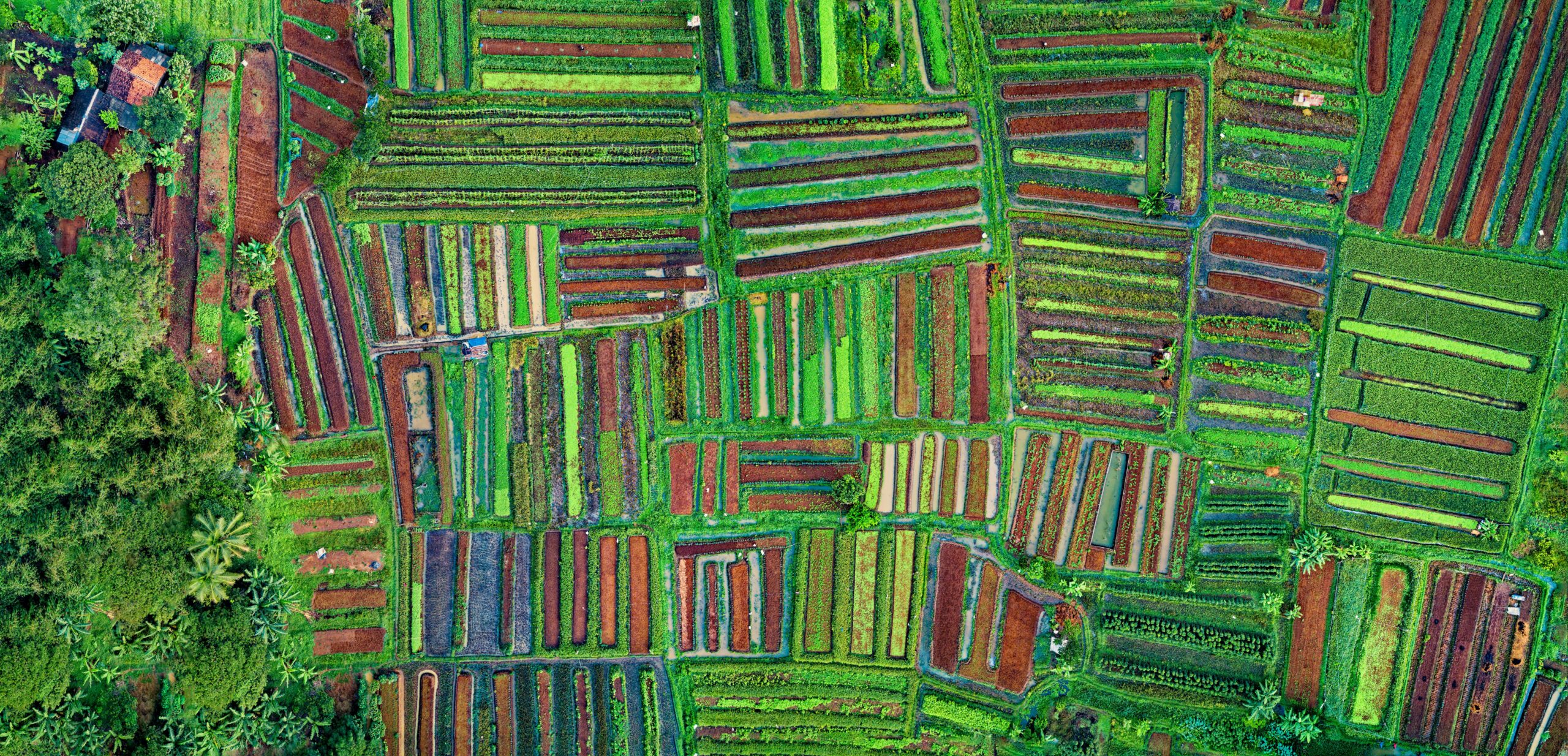
Polyculture takes diversity further by intentionally growing different crops together in the same space simultaneously. This mimics natural plant communities where species coexist, each filling different niches and supporting the whole system.
The classic example is the “Three Sisters” method practiced by Indigenous Americans for centuries—corn, beans, and squash grown together. The corn provides structure for beans to climb, beans fix nitrogen to feed all three plants, and squash leaves shade the soil to retain moisture and suppress weeds.
Modern polyculture systems apply this principle with countless combinations: fruit trees with nitrogen-fixing shrubs, vegetables interspersed with pest-deterring herbs, or grain crops alongside livestock in integrated systems. The possibilities are limited only by understanding of plant relationships and local growing conditions.
Crop Rotation: Time-Based Diversity for Soil Health
Crop rotation systematically varies what grows in each field across seasons or years. Different crops have different nutrient needs and root structures, so rotating prevents soil exhaustion and breaks pest and disease cycles.
A basic rotation might alternate heavy feeders like corn with nitrogen-fixing legumes like clover or soybeans, then follow with a root crop that breaks up compacted soil. More complex rotations span multiple years, carefully sequenced to build soil organic matter and maintain balanced fertility.
Rotation also controls pests without chemicals. Many crop-specific insects and pathogens can’t survive when their host plant disappears for a season or two, effectively starving out problems before they establish.
🌍 Climate Resilience Through Agricultural Biodiversity
The connection between farming diversity and climate adaptation goes deeper than simple risk spreading. These systems fundamentally change how farms interact with their environment, creating resilience at multiple levels.
Temperature Regulation and Microclimate Creation
Diverse plantings create varied canopy structures that moderate temperature extremes. In polyculture systems, taller plants shade sensitive species during heat waves while dense vegetation retains warmth during cold snaps. This buffering effect protects crops from climate volatility.
Soil covered with living plants or mulch from diverse crops stays cooler in summer and warmer in winter. This temperature stability protects beneficial soil organisms and extends the growing season, allowing farms to maintain productivity as traditional planting windows shift.
Water Management in an Era of Extremes
Climate change brings both droughts and deluges, often in the same region across different years. Diverse farming systems handle both extremes better than monocultures through improved soil structure and varied plant water use.
Deep-rooted perennials in polyculture systems access water unavailable to shallow annual crops, while their roots create channels that help heavy rains infiltrate rather than run off. Crop rotations that include cover crops build soil organic matter, which holds water like a sponge—critical during dry spells.
Different crops in diverse systems also use water at different rates and times, reducing competition and allowing more efficient use of available moisture across the entire farm.
💪 Building Soil Health: The Foundation of Sustainability
Healthy soil is the ultimate climate change adaptation tool for agriculture. Diverse crop systems build soil in ways that monoculture simply cannot match, creating a living resource that improves with time rather than degrading.
Organic Matter: The Carbon Connection
Crop diversity and rotation dramatically increase soil organic matter compared to monoculture. Different plants contribute different types of residues—some woody, some leafy, some with deep roots—creating food for diverse soil organisms.
This organic matter sequesters atmospheric carbon, turning farms into climate change solutions rather than contributors. It also improves soil structure, water retention, and nutrient availability, creating a positive feedback loop of increasing fertility.
The Underground Ecosystem
Diverse crop systems support vastly more diverse soil microbial communities. Different plants release different root exudates, feeding different bacteria and fungi. This microbial diversity enhances nutrient cycling, disease suppression, and soil structure.
Mycorrhizal fungi, which form partnerships with plant roots, thrive in diverse systems and create networks connecting different plants. These networks share nutrients and water, essentially creating a underground support system that helps all crops perform better.
🐛 Natural Pest Management Through Diversity
One of the most immediate benefits farmers notice when diversifying is reduced pest pressure without chemical interventions. This happens through multiple mechanisms that make diverse farms inhospitable to pest outbreaks.
Disrupting Pest Life Cycles
Crop rotation breaks the cycle of pests that overwinter in fields and attack the same crop planted in the same location year after year. When pests emerge in spring to find a completely different plant, they cannot establish, protecting crops without sprays.
Polyculture creates physical barriers where pests must search for their target crops among many other plants, reducing feeding and reproduction rates. The diversity confuses pests adapted to find hosts in large monoculture blocks.
Supporting Beneficial Predators
Diverse farms provide habitat, alternative food sources, and year-round resources for beneficial insects that prey on pests. A field with multiple flowering species across seasons maintains populations of parasitic wasps, predatory beetles, and other pest controllers.
These natural enemies often provide better pest control than chemicals because they actively seek out pests and reproduce in response to pest populations, creating dynamic balance rather than temporary suppression.
📊 Economic Benefits: Profitability Meets Sustainability
While ecological benefits attract attention, diverse farming systems must also make economic sense. Evidence increasingly shows these methods compete financially with conventional approaches while reducing risk.
Risk Reduction and Income Stability
Farmers growing multiple crops don’t lose everything if one fails. This stability matters more as climate unpredictability increases. While peak income might sometimes be lower than a perfect monoculture year, average income across multiple years often exceeds monoculture when accounting for bad years.
Market diversification accompanies crop diversification. Multiple products mean multiple markets and income streams, reducing vulnerability to price fluctuations in any single commodity.
Input Cost Reductions
Diverse systems typically require fewer purchased inputs. Nitrogen-fixing crops reduce fertilizer needs, crop rotation reduces pesticide use, and improved soil health decreases irrigation requirements. These savings significantly impact profitability, especially for smaller operations.
Some diverse systems also create value-added opportunities, such as specialty crops for local markets or direct sales that capture premium prices unavailable to commodity producers.
🚜 Practical Implementation: Getting Started with Diverse Farming
Transitioning from conventional monoculture to diverse systems requires planning, but farmers can start small and scale up as they gain experience and confidence.
Assessing Your Land and Goals
Begin by evaluating your soil conditions, climate patterns, water availability, and market opportunities. Understanding these factors helps identify which diverse crops will thrive and find buyers. Consider your labor availability, equipment, and knowledge—these practical factors determine what’s actually feasible.
Set clear goals. Are you primarily seeking drought resilience? Soil improvement? Reduced input costs? Different goals suggest different crop combinations and rotation sequences.
Starting Simple: Entry-Level Strategies
New practitioners should start with proven, simple combinations before attempting complex polycultures. Try a basic rotation like corn-soybeans-cover crop, or intercrop a single cash crop with one complementary species.
Cover crops offer an excellent entry point—they improve soil between main crops without requiring new markets or equipment. Many farmers find cover cropping builds skills and soil health while they plan more ambitious diversification.
Learning from Others
Connect with farmers already practicing diverse systems in similar climates. Their experience navigating local conditions, markets, and challenges is invaluable. Agricultural extension services, farmer networks, and online communities provide support and knowledge sharing.
Field days and farm tours offer hands-on learning impossible to get from books. Seeing diverse systems in action answers practical questions and builds confidence in trying new approaches.
🔬 Science Meets Tradition: Research Supporting Diverse Systems
While traditional farmers have practiced crop diversity for millennia, modern research now validates and refines these approaches with rigorous science.
Long-term studies at institutions worldwide document yield stability, soil improvements, and reduced environmental impacts in diverse systems. Meta-analyses examining hundreds of studies confirm that polycultures typically produce higher total yields per acre than monocultures, especially under stressed conditions.
Climate modeling research shows that agricultural systems with greater crop diversity adapt better to temperature increases, shifting precipitation patterns, and extreme weather events. This resilience becomes increasingly valuable as climate change accelerates.
Researchers are also developing tools to help farmers design optimal crop combinations for specific goals and conditions, making sophisticated diverse systems accessible to more producers.
🌾 The Future of Farming is Diverse
As climate change intensifies, agriculture faces a choice between continuing down the vulnerable path of simplification or embracing the resilience of diversity. The evidence overwhelmingly supports the latter.
Crop diversity, polyculture, and rotation are not retreats to primitive farming but sophisticated systems that work with ecological processes rather than against them. They represent agriculture that builds resources instead of depleting them, that strengthens rather than weakens with each season.
Farmers worldwide are already demonstrating that these approaches work at commercial scales across diverse contexts—from smallholder farms in developing countries to large operations in industrial agricultural regions. The transition requires learning and adaptation, but the rewards include farms that truly thrive in our changing climate.
The power of agricultural diversity extends beyond individual farms to entire food systems. As more farmers adopt these practices, communities gain food security, ecosystems regain health, and agriculture transforms from a climate problem to a climate solution. This is not just sustainable farming—it’s regenerative agriculture that leaves the land better than we found it.
The tools for thriving in a changing climate are available now. The question is not whether diverse farming systems work, but how quickly we can implement them at the scale needed to secure our agricultural future. Every farm that embraces diversity becomes a model and a teacher, spreading knowledge and building the resilient food systems our changing world demands.