
Modern agriculture faces unprecedented challenges as climate variability intensifies and natural resources become increasingly scarce. Farmers worldwide are discovering that traditional methods alone cannot guarantee sustainable productivity in today’s changing environmental landscape.

The integration of innovative water and soil adaptation systems represents a transformative approach to agricultural resilience. These cutting-edge solutions blend time-tested wisdom with contemporary technology, creating farming operations that work harmoniously with nature rather than against it. By understanding and implementing these systems, agricultural professionals can secure their operations against environmental uncertainty while maximizing yields and preserving precious resources for future generations.
🌱 Understanding the Foundation: Why Water and Soil Management Matters
The relationship between water, soil, and crop productivity forms the cornerstone of successful farming. Healthy soil acts as a living ecosystem, hosting billions of microorganisms that facilitate nutrient cycling, improve structure, and enhance water retention capabilities. When soil health deteriorates, crops struggle to access nutrients and moisture, leading to reduced yields and increased vulnerability to environmental stressors.
Water availability directly influences every aspect of agricultural production. However, water scarcity affects approximately 40% of the global population, and agriculture consumes roughly 70% of freshwater withdrawals worldwide. This creates an urgent imperative for farmers to adopt systems that optimize water use efficiency while maintaining soil vitality.
Climate change compounds these challenges through unpredictable rainfall patterns, extended drought periods, and extreme weather events. Adaptation systems provide farmers with tools to buffer against these variables, creating more predictable and resilient agricultural operations that can withstand environmental fluctuations.
Precision Irrigation: Technology Meets Traditional Wisdom
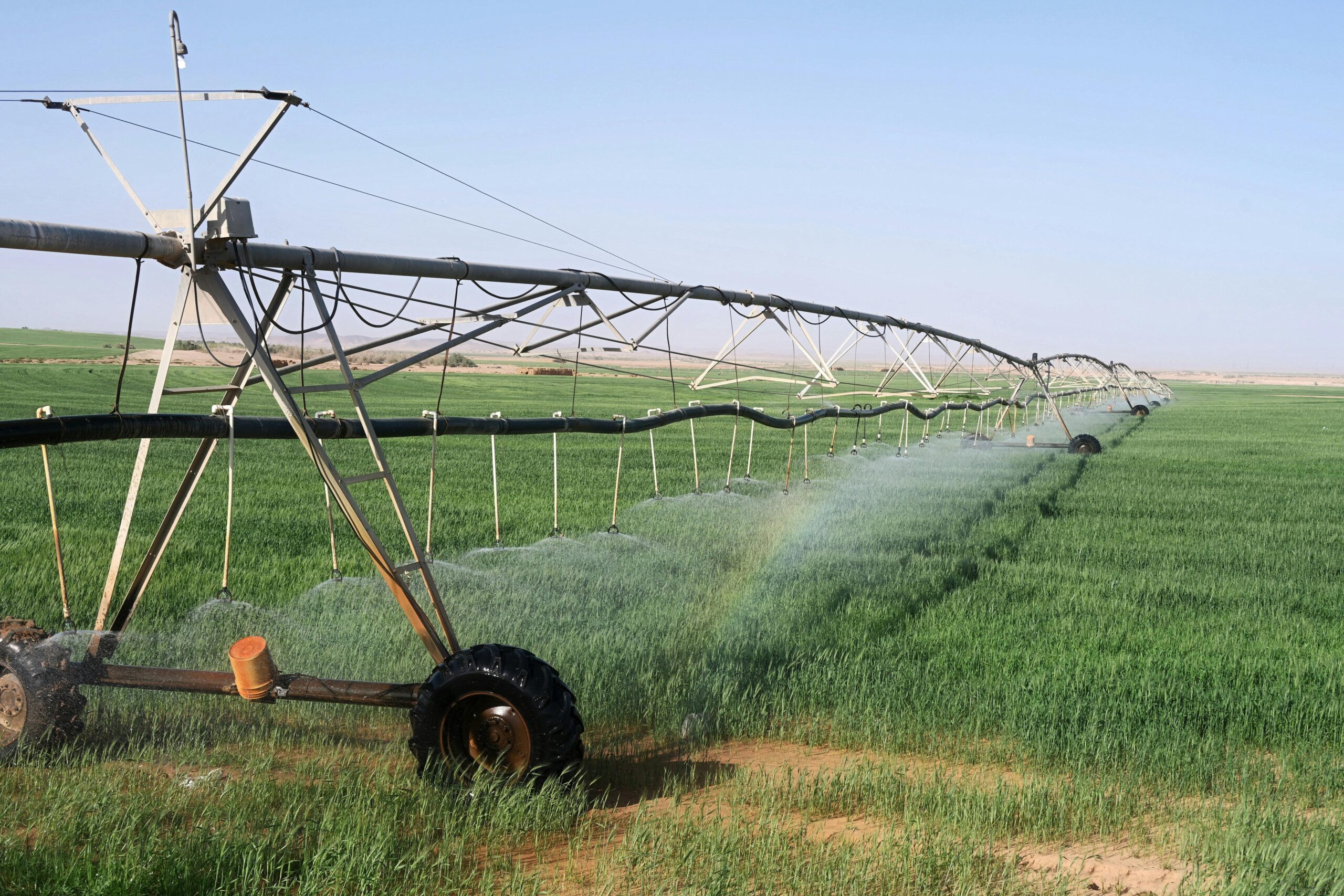
Precision irrigation systems represent one of the most impactful innovations in water management for modern agriculture. These systems deliver water directly to plant root zones in controlled quantities, dramatically reducing waste while improving crop health and productivity.
Drip irrigation technology has evolved significantly, now incorporating sensors that monitor soil moisture levels in real-time. These smart systems automatically adjust water delivery based on actual plant needs rather than fixed schedules, reducing water consumption by 30-50% compared to conventional methods while often increasing yields simultaneously.
Components of Effective Precision Irrigation Systems
Successful precision irrigation relies on several interconnected components working together. Soil moisture sensors provide continuous feedback about water availability at various depths. Weather stations supply data on evapotranspiration rates, rainfall, and temperature fluctuations. Control systems process this information and adjust irrigation schedules accordingly.
Modern farmers can now monitor and control irrigation systems remotely through smartphone applications. These digital tools provide real-time alerts about system performance, moisture levels, and potential issues, enabling immediate responses that prevent crop stress or water waste.
💧 Rainwater Harvesting: Capturing Nature’s Gift
Rainwater harvesting transforms precipitation from an unpredictable variable into a manageable resource. By capturing, storing, and strategically deploying rainwater, farmers reduce dependence on groundwater or municipal supplies while mitigating flood risks and soil erosion.
Farm-scale rainwater harvesting systems range from simple catchment ponds to sophisticated underground cisterns with filtration and distribution networks. The appropriate system depends on rainfall patterns, storage capacity requirements, and intended water uses.
Designing Effective Rainwater Collection Systems
Successful rainwater harvesting begins with accurate calculation of catchment area and expected precipitation. Roof surfaces, greenhouses, and properly graded land areas can all serve as collection zones. Storage capacity should account for dry period duration and irrigation requirements during those times.
Water quality considerations matter significantly. First-flush diverters remove initial rainfall that may contain debris and contaminants. Filtration systems ensure stored water remains suitable for irrigation purposes. Properly designed systems include overflow mechanisms and pest prevention features to maintain water quality during storage.
Soil Conservation Techniques for Long-Term Productivity
Soil represents agriculture’s most fundamental asset, yet conventional farming practices have degraded approximately one-third of global agricultural soils. Innovative conservation techniques reverse this trend, rebuilding soil health while maintaining productive capacity.
Cover cropping stands among the most powerful soil conservation practices. Planting non-commercial crops during off-seasons prevents erosion, suppresses weeds, fixes nitrogen, and increases organic matter content. When properly selected, cover crops also break pest and disease cycles while improving soil structure.
No-Till and Minimum-Till Farming Approaches
Reducing or eliminating tillage preserves soil structure, prevents erosion, and maintains beneficial microorganism populations. No-till systems leave previous crop residues on the surface, creating a protective mulch layer that conserves moisture and moderates soil temperature.
These approaches initially challenged conventional agricultural thinking but have demonstrated remarkable benefits. Soil organic matter increases steadily, water infiltration improves, and fossil fuel consumption decreases substantially. Many farmers report reduced input costs alongside maintained or improved yields after transitioning to reduced-tillage systems.
🌾 Integrated Nutrient Management: Feeding Soil, Not Just Plants
Traditional agriculture often focuses solely on providing nutrients directly to crops. Innovative systems recognize that healthy soil ecosystems naturally supply plant nutrition when properly managed, reducing reliance on synthetic inputs while improving sustainability.
Composting transforms organic waste into valuable soil amendments rich in nutrients and beneficial microorganisms. Well-made compost improves soil structure, increases water-holding capacity, and provides slow-release nutrition that matches plant uptake patterns. Large-scale operations increasingly incorporate composting systems that process crop residues, animal manures, and other organic materials into premium soil amendments.
Biological Nitrogen Fixation and Companion Planting
Leguminous plants possess the remarkable ability to capture atmospheric nitrogen through symbiotic relationships with rhizobia bacteria. Strategic integration of legumes into crop rotations or as companion plants reduces nitrogen fertilizer requirements while improving soil fertility.
Companion planting extends beyond nitrogen fixation to include pest management, pollinator attraction, and microclimate modification. Carefully selected plant combinations create mutually beneficial relationships that enhance overall system productivity and resilience.
Agroforestry Systems: Multilayered Productivity
Agroforestry integrates trees and shrubs into agricultural landscapes, creating vertically structured systems that maximize land use efficiency while providing numerous environmental benefits. These systems improve water cycling, prevent soil erosion, sequester carbon, and create diverse income streams.
Alley cropping positions rows of trees alongside agricultural crops, with carefully managed spacing that minimizes competition while maximizing complementary benefits. Trees provide windbreaks, moderate temperatures, and add organic matter through leaf fall. Deep tree roots access water and nutrients beyond crop root zones, bringing these resources into the active soil profile.
Silvopasture: Combining Livestock and Forestry
Silvopasture systems integrate trees, forage, and livestock in managed arrangements that benefit all components. Trees provide shade that reduces heat stress in animals while improving forage quality. Livestock convert forage into valuable products while their manure fertilizes both pasture and trees.
These systems demonstrate exceptional environmental resilience. Tree roots stabilize soil and increase water infiltration. Canopy cover reduces evaporation and moderates soil temperature fluctuations. Biodiversity increases significantly compared to conventional pasture or forestry operations.
⚡ Smart Farming Technologies for Adaptive Management
Digital technologies enable unprecedented precision in agricultural management. Remote sensing via satellites and drones provides detailed information about crop health, soil moisture distribution, and pest or disease emergence. This data empowers farmers to respond rapidly and precisely to emerging challenges.
Variable rate technology allows equipment to adjust input applications based on specific field conditions. Fertilizers, water, and other inputs are applied at optimal rates for each management zone rather than uniform rates across entire fields. This precision reduces waste, lowers costs, and minimizes environmental impacts.
Decision Support Systems and Predictive Analytics
Advanced software platforms integrate data from multiple sources—weather forecasts, soil sensors, crop models, and historical records—to generate actionable recommendations. These decision support systems help farmers optimize planting dates, irrigation schedules, and harvest timing based on comprehensive analysis rather than intuition alone.
Machine learning algorithms increasingly power these platforms, identifying patterns invisible to human analysis. Predictive models forecast pest outbreaks, disease risks, and optimal treatment windows, enabling proactive rather than reactive management strategies.
Constructed Wetlands for Water Quality and Availability 🦆
Constructed wetlands serve multiple functions within agricultural landscapes. These engineered ecosystems filter agricultural runoff, removing sediments, nutrients, and contaminants before water enters natural waterways. Simultaneously, they create valuable wildlife habitat and can provide supplemental irrigation water during dry periods.
Design considerations include appropriate sizing relative to drainage area, proper plant species selection, and strategic positioning within the farm landscape. Well-designed constructed wetlands become self-sustaining ecosystems requiring minimal maintenance while delivering continuous environmental services.
Bioremediation Through Wetland Ecosystems
Wetland plants and associated microorganisms actively remove pollutants through various biological processes. Nitrogen undergoes denitrification, converting soluble forms into atmospheric gas. Phosphorus binds to sediments and plant tissues. Heavy metals accumulate in plant biomass, which can be harvested and properly disposed of.
These natural purification processes occur continuously without energy inputs or chemical additions. Constructed wetlands effectively function as living water treatment facilities that improve with age as ecosystems mature and biological communities establish themselves.
Regenerative Agriculture: Beyond Sustainability 🌍
Regenerative agriculture transcends conventional sustainability by actively improving environmental conditions rather than merely maintaining them. These holistic systems focus on rebuilding soil organic matter, increasing biodiversity, and enhancing ecosystem function while producing food and fiber.
Adaptive multi-paddock grazing exemplifies regenerative principles in livestock operations. Animals graze intensively for brief periods before moving to fresh pasture, allowing extended recovery times that promote deep root growth and soil carbon accumulation. This management mimics natural grazing patterns observed in wild herbivore populations.
Measuring Regenerative Success
Quantifying regenerative outcomes requires monitoring multiple indicators beyond simple yield data. Soil organic matter testing reveals whether carbon stocks are increasing. Infiltration rate measurements demonstrate improvements in soil structure and water-handling capacity. Biodiversity assessments track ecosystem complexity and resilience.
Economic performance matters equally in regenerative systems. Successful operations demonstrate that environmental improvement and financial viability complement rather than contradict each other. Reduced input costs, premium product pricing, and improved long-term land values contribute to economic sustainability.
Implementing Adaptation Systems: Practical Steps Forward
Transitioning to innovative water and soil adaptation systems requires careful planning and phased implementation. Beginning with comprehensive assessment of current conditions provides the foundation for informed decision-making. Soil testing, water availability analysis, and climate pattern evaluation identify specific challenges and opportunities unique to each operation.
Prioritization ensures limited resources focus on interventions delivering maximum impact. Critical issues threatening immediate productivity deserve first attention, followed by improvements offering long-term resilience. Pilot testing new practices on limited acreage reduces risk while generating practical experience.
Building Knowledge and Support Networks
Successful implementation rarely occurs in isolation. Connecting with other farmers experimenting with similar systems provides valuable insights, troubleshooting assistance, and moral support during challenging transitions. Agricultural extension services, conservation districts, and farmer cooperatives often facilitate these knowledge-sharing networks.
Professional consultation accelerates learning curves and helps avoid costly mistakes. Soil scientists, agronomists, and agricultural engineers bring specialized expertise that complements farmer experience and local knowledge. This collaborative approach produces superior outcomes compared to either expertise alone.
Financial Considerations and Support Mechanisms 💰
Initial investments in adaptation systems can seem daunting, but numerous financial support mechanisms exist to assist farmers making these transitions. Government conservation programs frequently offer cost-sharing for soil and water improvements. Low-interest loans specifically support sustainable agriculture investments.
Economic analysis should account for both short-term costs and long-term benefits. While some systems require significant upfront investment, operational savings often accumulate rapidly. Reduced water consumption, decreased input requirements, and improved yields generate financial returns that justify initial expenditures.
Quantifying Return on Investment
Comprehensive ROI calculations consider multiple benefit streams. Direct production improvements appear in yield data and quality premiums. Cost reductions emerge from decreased inputs and improved efficiency. Risk mitigation value manifests through reduced crop failures and more stable year-to-year performance.
Long-term asset appreciation deserves consideration as well. Farms demonstrating excellent soil health and sustainable water management command premium valuations in land markets. These improvements represent permanent value additions that benefit current operators and future generations.
Creating Resilient Food Systems for Tomorrow
Mastering nature’s balance through innovative water and soil adaptation systems represents far more than technical agricultural improvement. These approaches fundamentally reshape humanity’s relationship with the land, transitioning from extractive exploitation toward regenerative stewardship that sustains both productivity and environmental health.
The challenges facing global agriculture demand nothing less than transformative change. Climate uncertainty, resource scarcity, and growing food demand create pressures that conventional systems cannot adequately address. Adaptation systems provide practical pathways forward, proven technologies and practices that work with natural processes rather than against them.
Individual farmer success stories accumulate into broader agricultural transformation. Each operation that successfully implements these systems demonstrates feasibility and inspires others to follow. This grassroots movement toward sustainable intensification builds momentum steadily, creating agricultural landscapes more productive, resilient, and environmentally sound than those we inherited.
The journey toward mastering nature’s balance continues evolving as new technologies emerge and understanding deepens. Farmers implementing these systems become not just food producers but ecosystem managers, carbon stewards, and water guardians. This expanded role carries profound responsibilities alongside remarkable opportunities to shape agricultural futures that nourish both people and planet for generations to come.