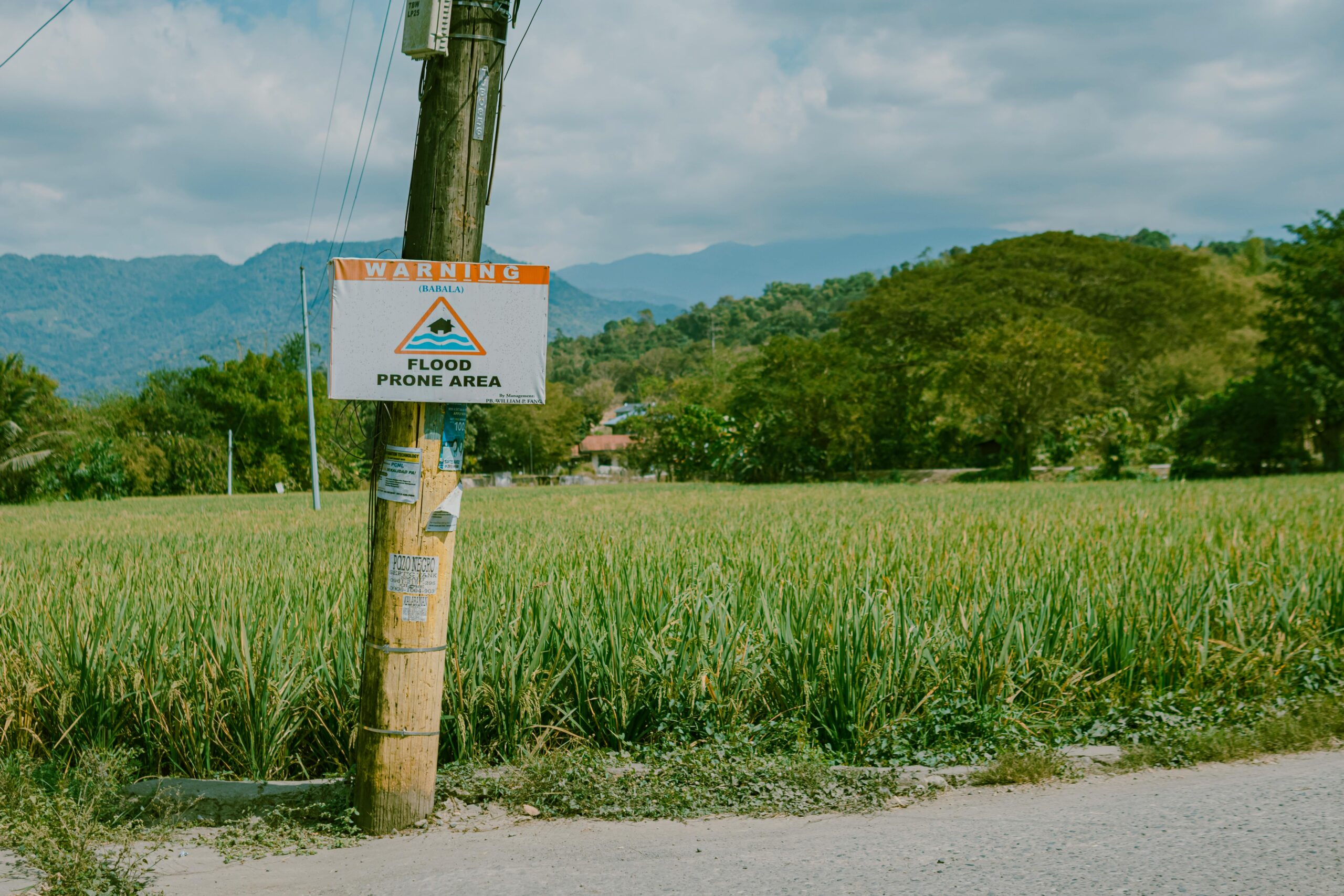
Urban landscapes worldwide face unprecedented challenges from climate change, natural disasters, and rapid population growth. The future of city planning lies in resilient design approaches that combine elevation strategies, protective zones, and innovative landscaping to create safer, more sustainable urban environments.

As cities continue to expand and environmental pressures intensify, architects, urban planners, and policymakers are reimagining how we build and organize metropolitan areas. This transformation requires integrating cutting-edge technologies with nature-based solutions to protect communities while enhancing quality of life for all residents.
🏗️ The Foundation of Elevated Urban Design
Elevated designs represent a fundamental shift in how we conceptualize urban development. Rather than building at ground level and hoping for the best, forward-thinking cities are literally raising the bar on construction standards. This approach involves constructing buildings, infrastructure, and entire neighborhoods on elevated platforms that protect against flooding, storm surges, and rising sea levels.
Cities like Venice, Miami, and Jakarta have become testing grounds for elevated architecture. These metropolitan areas face existential threats from water-related disasters, making elevation not just an option but a necessity. The principle is straightforward: by raising critical infrastructure above projected flood levels, communities can maintain functionality even during extreme weather events.
Elevated designs also create opportunities for multi-level urban planning. The space beneath raised structures can serve multiple purposes, from parking and storage to green spaces and water management systems. This vertical integration maximizes land use efficiency while building in protective measures from the ground up.
Engineering Innovations in Elevation Technology
Modern engineering has made elevated construction more feasible and cost-effective than ever before. Advanced materials like high-strength concrete, carbon fiber reinforcements, and modular construction systems allow architects to create stable elevated structures that can withstand significant environmental stresses.
Pile foundation systems have evolved dramatically, enabling buildings to rest on deep supports that reach stable ground layers far below the surface. These foundations can be designed to flex slightly during seismic events, providing earthquake resistance while maintaining the elevated position that protects against flooding.
Smart sensors embedded throughout elevated structures continuously monitor stress, movement, and environmental conditions. This real-time data allows maintenance teams to address potential issues before they become critical, extending the lifespan of infrastructure while ensuring public safety.
🛡️ Creating Effective Protective Buffer Zones
Buffer zones serve as the first line of defense between urban centers and environmental threats. These carefully planned areas absorb and redirect forces from storms, floods, and other natural hazards before they reach populated areas. The most effective buffer zones combine natural and engineered elements to create resilient barriers.
Coastal cities increasingly rely on layered buffer systems that include wetlands, dunes, seawalls, and vegetated barriers. Each layer serves a specific function while contributing to overall resilience. Wetlands absorb storm surge energy and filter pollutants. Dunes provide physical barriers against wind and waves. Engineered seawalls offer robust protection for critical infrastructure.
The width and composition of buffer zones vary based on local geography, climate patterns, and available space. In densely populated areas, compact buffer systems might combine vertical gardens, permeable surfaces, and underground water storage. Rural areas can implement extensive natural buffers that double as recreational spaces and wildlife habitats.
Natural Buffer Systems and Ecosystem Benefits
Nature provides powerful protective mechanisms that humans have historically undervalued. Mangrove forests, for instance, reduce wave heights by up to 66% and protect coastlines from erosion. A single hectare of healthy mangroves can prevent over $50,000 in annual property damage while supporting biodiversity and carbon sequestration.
Oyster reefs represent another natural buffer solution gaining recognition. These living barriers break wave energy, improve water quality, and create habitats for marine life. Cities like New York and Charleston are investing in oyster reef restoration as part of comprehensive coastal protection strategies.
Riparian buffers along rivers and streams prevent erosion, filter runoff, and provide flood storage capacity. These vegetated corridors between water bodies and developed areas maintain water quality while creating green spaces that enhance urban livability. Studies show that riparian buffers reduce nitrogen pollution by 80% and significantly decrease phosphorus runoff.
🌿 Innovative Landscape Solutions for Urban Resilience
Contemporary landscape architecture goes far beyond aesthetic considerations. Today’s landscape solutions integrate functionality, sustainability, and resilience into designs that actively contribute to urban environmental management. These innovations transform landscapes from passive decorations into active systems that manage water, regulate temperature, and support biodiversity.
Green infrastructure represents a paradigm shift in how cities manage stormwater and climate challenges. Rather than relying solely on gray infrastructure like pipes and treatment plants, green systems use vegetation, soil, and natural processes to handle environmental challenges at their source.
Rain Gardens and Bioswales: Natural Water Management
Rain gardens are shallow depressions planted with native vegetation that capture and infiltrate stormwater runoff. These simple yet effective features reduce flooding, filter pollutants, and recharge groundwater supplies. A typical rain garden can absorb 30-40% more water than conventional lawns while requiring minimal maintenance once established.
Bioswales take this concept further by creating vegetated channels that convey and treat stormwater as it flows through urban landscapes. Lined with carefully selected plants and engineered soil media, bioswales remove pollutants, slow water movement, and reduce peak flows that overwhelm drainage systems during heavy rainfall.
Cities implementing widespread rain garden and bioswale networks report significant reductions in combined sewer overflows, improved water quality, and enhanced neighborhood aesthetics. Portland, Oregon’s green streets program has installed over 2,000 bioswales that collectively manage millions of gallons of stormwater annually.
Living Roofs and Vertical Gardens
When horizontal space is limited, resilient cities look upward. Green roofs transform unused rooftop space into productive landscapes that provide insulation, reduce urban heat island effects, and manage stormwater. Extensive green roofs with shallow growing media can retain 60-100% of stormwater during typical rain events, releasing it slowly over time.
Vertical gardens and living walls bring vegetation to building facades, creating multiple benefits. These systems cool buildings through evapotranspiration, improve air quality by filtering pollutants, reduce noise pollution, and provide habitat for urban wildlife. The biological processes within living walls actively remove particulate matter and volatile organic compounds from the air.
Combining rooftop and vertical greening creates three-dimensional urban forests that maximize environmental benefits within constrained urban footprints. This approach allows dense cities to increase vegetation coverage without sacrificing valuable ground-level space needed for buildings and infrastructure.
💧 Integrated Water Management Systems
Water represents both a threat and a resource in tomorrow’s cities. Integrated water management approaches recognize this duality, designing systems that protect against excess water while capturing and conserving this vital resource for future use.
Permeable pavements allow water to infiltrate through surfaces that traditionally shed runoff. These innovative materials maintain structural integrity while reducing flooding, recharging aquifers, and filtering pollutants. Permeable concrete, porous asphalt, and permeable pavers can be applied to sidewalks, parking lots, and low-traffic roads.
Underground cisterns and detention basins store excess stormwater during peak events, releasing it slowly or making it available for irrigation and non-potable uses. These systems can be integrated beneath parks, parking areas, and other open spaces, providing flood protection without consuming valuable surface area.
Smart Water Monitoring and Management
Digital technologies enable sophisticated water management strategies that respond dynamically to changing conditions. Sensor networks throughout urban watersheds monitor rainfall, soil moisture, water levels, and flow rates in real time. This data feeds into predictive models that optimize system performance and provide early warnings of potential flooding.
Automated control systems adjust flows through detention basins, retention ponds, and treatment facilities based on weather forecasts and current conditions. By preemptively creating capacity before storm events, these systems maximize flood protection while ensuring water quality standards are maintained.
Smart irrigation systems use weather data and soil sensors to deliver precise amounts of water to urban landscapes, reducing waste while maintaining vegetation health. These systems can reduce outdoor water use by 30-50% compared to traditional irrigation approaches, conserving resources while supporting the green infrastructure that contributes to urban resilience.
🌡️ Urban Heat Island Mitigation Strategies
Cities typically experience temperatures 5-7°F warmer than surrounding rural areas due to the urban heat island effect. Dark surfaces absorb solar radiation, limited vegetation reduces cooling evapotranspiration, and waste heat from buildings and vehicles accumulates in dense urban environments. This temperature difference threatens public health, increases energy consumption, and exacerbates climate challenges.
Strategic tree planting provides one of the most cost-effective heat mitigation strategies. Mature trees can cool air temperatures by 20-45°F through shade and evapotranspiration. Urban forest canopy coverage of 40% or greater significantly reduces heat island effects while providing numerous co-benefits including improved air quality, carbon sequestration, and enhanced property values.
Cool pavement technologies reflect more solar radiation and retain less heat than conventional materials. Light-colored pavements, reflective coatings, and permeable surfaces can reduce surface temperatures by 20-40°F compared to traditional dark asphalt. Cities like Los Angeles have begun systematically coating streets with cool pavement treatments to combat extreme heat.
🏘️ Community-Centered Resilient Design
Technical solutions alone cannot create truly resilient cities. Effective resilience requires engaging communities in planning processes, ensuring equitable distribution of protective measures, and building social cohesion that helps neighborhoods weather crises together.
Participatory design processes involve residents in identifying vulnerabilities, prioritizing interventions, and maintaining implemented solutions. Communities with strong social networks and local ownership of resilience infrastructure demonstrate faster recovery from disasters and better long-term adaptation to changing conditions.
Equitable resilience ensures that protective measures benefit all neighborhoods, particularly vulnerable populations that historically face disproportionate impacts from environmental hazards. Green infrastructure investments in underserved communities provide climate adaptation while addressing legacy issues like poor drainage, lack of green space, and degraded infrastructure.
Multifunctional Community Spaces
The most successful resilient infrastructure serves multiple purposes during both normal conditions and emergencies. Parks designed with depression areas provide recreation during dry periods and flood storage during storms. Community centers built to resilient standards become emergency shelters when needed. These multifunctional approaches maximize return on investment while strengthening community connections to resilience infrastructure.
Public art installations and cultural programming transform technical infrastructure into beloved community assets. Decorated bioswales, artistic rain gardens, and creatively designed permeable plazas engage residents while serving critical environmental functions. This cultural integration builds public support for continued investment in resilience measures.
🔄 Building Circular Urban Economies
Resilient cities minimize waste and maximize resource efficiency through circular economy principles. Construction materials from demolished buildings become inputs for new projects. Organic waste becomes compost that enriches urban soils. Stormwater becomes irrigation supply. This closed-loop thinking reduces environmental impacts while creating local economic opportunities.
Urban agriculture integrates food production into resilient landscapes, utilizing green roofs, vertical farms, and community gardens to enhance food security while managing stormwater and providing green space. These productive landscapes reduce transportation emissions, create jobs, and strengthen community connections to environmental systems.
Material innovation focuses on bio-based, recycled, and locally sourced construction materials that reduce embodied carbon while supporting regional economies. Mass timber construction, recycled aggregate concrete, and living building materials demonstrate how cities can reduce environmental footprints while creating healthier built environments.
🌍 Scaling Solutions for Global Impact
As urbanization accelerates globally, successful resilience strategies must be adaptable to diverse contexts, climates, and resource levels. Low-cost nature-based solutions often provide the most scalable approaches, particularly in developing regions where engineering-intensive options may be financially unfeasible.
Knowledge sharing between cities accelerates resilience innovation. Networks like C40 Cities, 100 Resilient Cities, and the Urban Climate Change Research Network facilitate exchange of successful strategies, lessons learned, and technical resources. Cities implementing similar solutions can avoid mistakes and build on proven approaches.
International cooperation on resilience standards, funding mechanisms, and technical assistance helps ensure that all cities can access the tools and knowledge needed to protect their populations. Climate adaptation funding must flow to the cities most vulnerable to environmental change, many of which lack local resources for major infrastructure investments.
🚀 The Path Forward: Implementing Resilient Urban Visions
Building tomorrow’s resilient cities requires coordinated action across multiple sectors, scales, and timeframes. Long-term planning must balance immediate needs with future projections, creating flexible systems that can adapt as conditions change and knowledge evolves.
Policy frameworks should incentivize resilient development through building codes, zoning regulations, and financial mechanisms that make green infrastructure and elevated designs the default rather than the exception. Streamlined permitting for resilience projects and penalties for development that increases vulnerability can shift market dynamics toward better outcomes.
Investment in resilience generates significant returns by avoiding disaster costs, reducing insurance premiums, protecting property values, and improving quality of life. Studies consistently show that every dollar spent on resilience measures saves six dollars in avoided disaster losses. Despite these favorable economics, upfront funding remains a barrier that creative financing mechanisms must address.
The transformation of our cities into resilient, sustainable, and livable environments represents one of humanity’s great challenges and opportunities. By combining elevated designs, protective buffer zones, and innovative landscape solutions, we can create urban areas that not only withstand environmental pressures but thrive in harmony with natural systems. The choices we make today in planning and building our cities will determine the security, prosperity, and quality of life for billions of people in decades to come. This urgent work demands our best thinking, strongest collaboration, and unwavering commitment to creating a better urban future for all. 🌆